 visibility60+
See Complete Recipe
arrow_right_alt
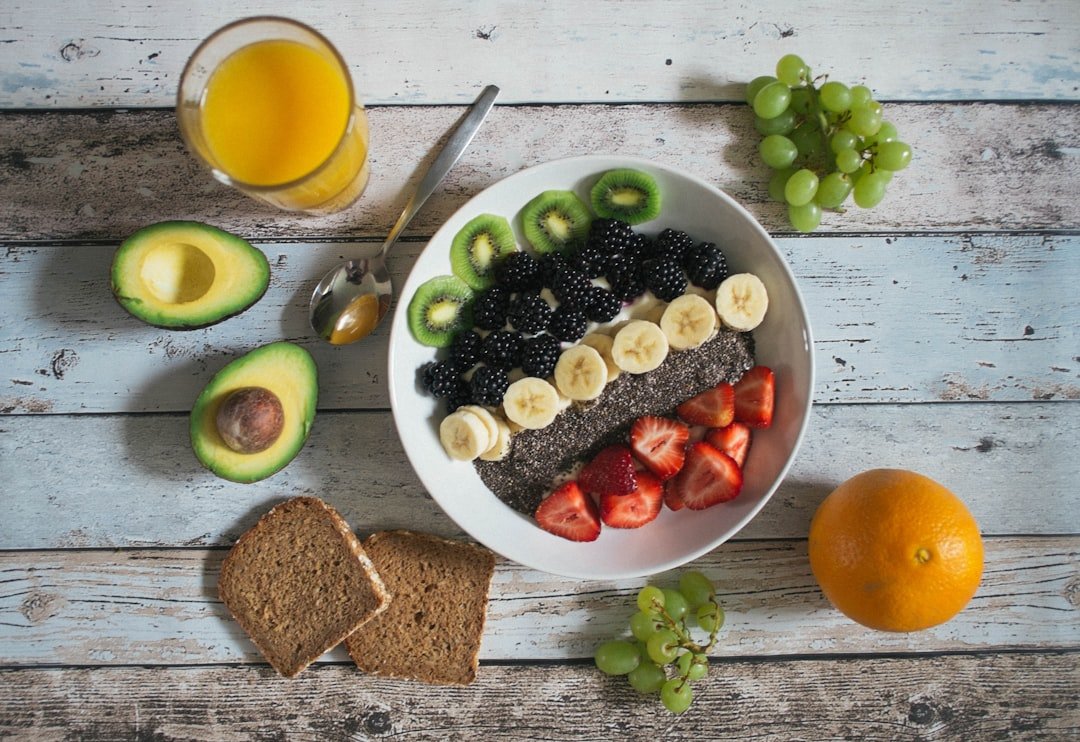
These healthy breakfast ideas all follow one simple rule: pair protein with fiber so the meal actually lasts.
A breakfast that leaves you hungry by 10am sets the whole morning up wrong. Protein and fiber together are what actually keep hunger away, more than any single ingredient on its own.
Protein and fiber both slow digestion, which is why a breakfast built on them feels steady instead of spiky. Refined carbohydrates on their own, like pastries, sugary cereal or a plain bagel, are digested quickly and leave you reaching for a snack well before lunch. Adding eggs, dairy, beans, nuts or seeds gives you the protein, while whole grains, oats, vegetables and fruit supply the fiber.
You do not need exact formulas or special products. If you look at what is on your plate and can point to a protein and a fiber source, the meal is doing its job. The six ideas below are all built that way, and each one includes notes on swaps and serving so you can adapt it to what is in your kitchen.
Eggs alone are filling, but adding vegetables and a slice of whole grain toast rounds out the fiber that eggs are missing on their own.
Spinach, peppers, mushrooms and tomatoes all scramble well, and leftover roasted vegetables are a good shortcut. A little cheese adds flavor without changing the method. If you are dairy free, a splash of olive oil in the pan and a pinch of herbs does the job.
The protein in Greek yogurt plus the fat in nuts is a genuinely staying combination, more so than yogurt alone.
Choose plain yogurt and sweeten it yourself with fruit or a small drizzle of honey, since flavored cups are often much sweeter. Frozen berries are fine and thaw into a natural sauce. Walnuts, almonds or pumpkin seeds all work, and a spoonful of chia or ground flax adds even more fiber.
Oats provide fiber, peanut butter provides protein and fat. Together they hold hunger off longer than oats made with just milk and fruit.
Any nut or seed butter can replace the peanut butter, and any milk, dairy or plant based, works as the liquid. Top with sliced banana or apple in the morning rather than the night before so the fruit stays fresh. For more flavors, see our overnight oats recipes.
Beans add fiber and protein beyond what eggs alone provide, genuinely extending how long the meal keeps you satisfied.
Black beans and pinto beans are the easiest, and canned beans that have been drained and rinsed save time. Add salsa, peppers or a little cheese, and use a whole wheat tortilla if you want extra fiber. Wrapping tightly keeps the filling together and makes it easy to eat on the way out the door.
Cottage cheese on whole grain toast with a drizzle of honey or sliced fruit, an underrated combination for staying power.
It works sweet or savory. Try tomato slices, cucumber and black pepper for a savory version, or berries and a few chopped nuts for a sweet one. If the texture of cottage cheese is not for you, ricotta or a thick spread of Greek yogurt behaves in a similar way.
A smoothie built on milk, protein powder or nut butter, and a handful of oats blended in holds up far longer than fruit and juice alone.
Spinach blends in with almost no taste, and frozen fruit makes the texture thick and cold without ice. Blend until completely smooth and drink it with a spoon-thick consistency in mind: if it is too thin to satisfy, add more oats or nut butter rather than more fruit.
Protein plus fiber, every time. A breakfast with only one of the two, sugary cereal or plain fruit, is the fastest way to be hungry again within an hour.
Almost every idea here can be adjusted without losing the protein and fiber balance. For a vegetarian plate, keep the eggs and dairy and lean on beans, oats and nuts. For a dairy free plate, use plant based milk and yogurt, but check the label, because some are much lower in protein than regular yogurt and may need extra seeds or nut butter to compensate.
If eggs are a problem, our high protein breakfast without eggs ideas cover the alternatives. For gluten free plates, swap the toast and tortillas for gluten free versions, and look for oats labeled gluten free.
Mornings are easier when part of the work is done the night before. Overnight oats and breakfast burritos both hold up well made in advance, and a batch of burritos can be wrapped individually and kept in the fridge or freezer for quick breakfasts. Reheat burritos until they are steaming hot all the way through before eating.
Keep overnight oats in a covered container in the fridge and eat them within about three days. Cooked eggs and anything containing them should be refrigerated promptly and eaten within a few days. Scrambles and smoothies are best made fresh, though you can portion smoothie ingredients into bags and keep them in the freezer so blending takes a minute. If you like planning ahead, our beginner meal prep guide shows how to fit breakfasts into a weekly prep session.
You do not need much. A decent nonstick skillet handles scrambles and warming burritos, and a blender covers smoothies. Small jars or containers with tight lids are useful for overnight oats and for packing yogurt bowls to go. A toaster that handles thick whole grain bread makes the cottage cheese toast much better. Everything else is already in a normal kitchen.
Once you understand the pattern, you can improvise. Start with a protein, such as eggs, yogurt, cottage cheese, beans or nut butter. Add a fiber source, such as oats, whole grain bread, fruit, vegetables or seeds. Finish with something for flavor, like herbs, spices, salsa or a little honey. This gives you a huge number of combinations from ingredients you already buy, and it works just as well for lunch or a light dinner. For more quick ideas for later in the day, take a look at our 10 minute lunch ideas.
Usually the meal is heavy on refined carbohydrates without enough protein or fiber to slow digestion down. Large portions of cereal, pastries or juice are digested quickly. Swapping part of the meal for eggs, yogurt, beans or nuts, and adding whole grains or fruit, tends to keep you satisfied for much longer.
Overnight oats and burritos both hold up well made the night before. Scrambles and smoothies are best made fresh for texture. If you want a head start on smoothies, portion the dry ingredients and frozen fruit into a bag ahead of time and just add liquid in the morning.
Yes. Most of them are easy to adjust for younger eaters by keeping flavors mild and textures familiar. Yogurt with fruit, cottage cheese toast and smoothies are usually popular. Leave out anything that is a choking risk for small children, such as whole nuts, and use finely chopped or nut butter instead.
No. Protein powder is optional. Milk, Greek yogurt, silken tofu or nut butter all add protein to a smoothie, and oats add fiber. If you do use powder, choose one you tolerate well and blend it with other whole ingredients rather than relying on it alone.
visibility60+
 visibility120+
 visibility420+