 visibility60+
See Complete Recipe
arrow_right_alt

If you are looking for easy Greek recipes that do not demand specialty shopping or hours at the stove, this guide collects six dependable Mediterranean-style dishes. You will also find simple swaps, make-ahead habits, and fixes for the mistakes that most often spoil them on a normal weeknight.
I started cooking more Greek-style meals when I wanted dinners that felt lighter without turning into a whole production. Lemon, olive oil, garlic, and fresh herbs do most of the work, and none of these recipes need ingredients my regular grocery store does not carry.
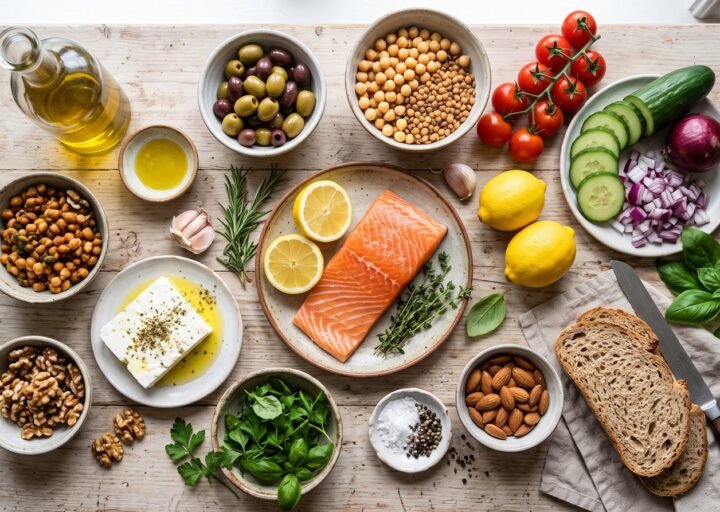
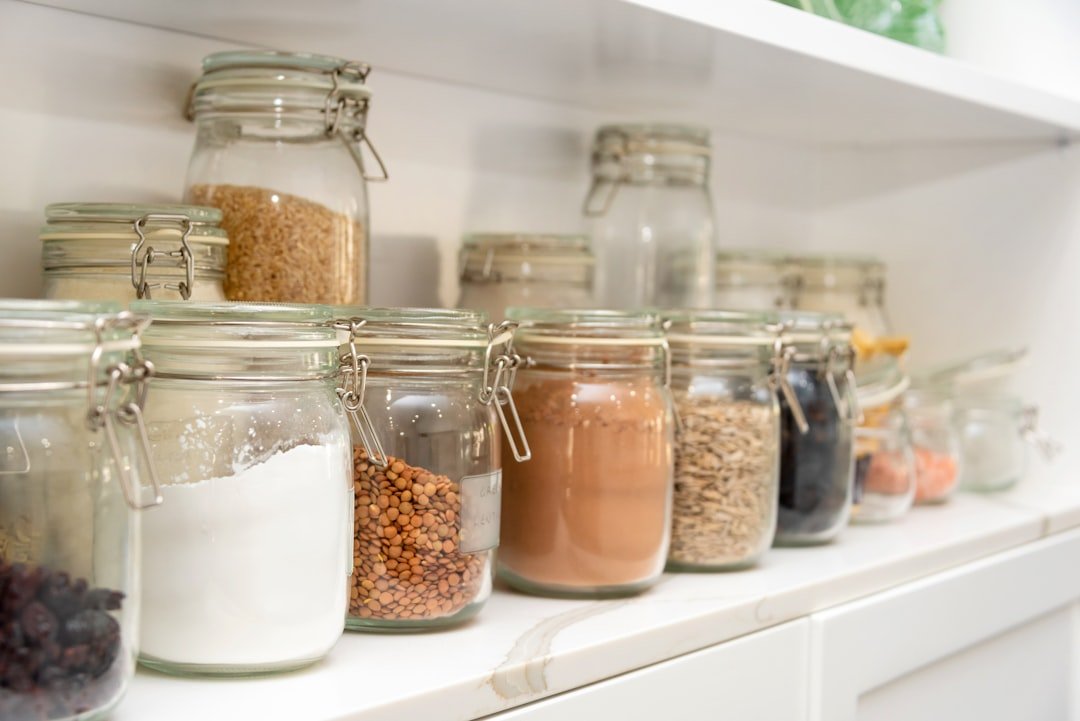
Greek home cooking leans on a short list of pantry staples: olive oil, lemon, garlic, dried oregano, tomatoes, cucumbers, and cheese. Because the flavor comes from a few strong ingredients rather than long simmering or complicated sauces, most of these dishes come together with simple prep and very little hands-on fuss.
The same lemon, oregano, and garlic base shows up in the chicken, the souvlaki marinade, and the dressings for the salads, so once your cupboard is stocked you can move between recipes without buying a new set of ingredients each time. That overlap is what makes this style of cooking friendly for beginners, and it keeps the grocery list short and the food waste low.
Potatoes roast in the same pan as the chicken, basted in the lemon and oregano juices as everything cooks. Cut potatoes small, about an inch, so they finish in the same time as the chicken.
No lettuce. A real Greek salad is cucumber, tomato, red onion, olives, and a block of feta on top, not crumbled in. Dress it right before serving so the vegetables do not turn watery.
Grate the cucumber, then squeeze it dry in a clean towel before mixing with yogurt. Skipping this step is the number one reason tzatziki turns watery within an hour.
Marinate at least 30 minutes, though a few hours makes a real difference. Thread the chicken loosely on skewers rather than packed tight so each piece gets direct heat.
Cook orzo just shy of the package time since it keeps cooking slightly as it cools, and rinse it once with cool water to stop the process.
A simplified, no-fuss version using phyllo sheets brushed with butter rather than individually shaped triangles. Squeeze the spinach completely dry first or the filling turns soggy.
Running short on something should not stop dinner. These swaps keep the spirit of each dish without changing how the recipes above are made.
Feta is the easiest to replace. A block of feta sold in brine is creamier than the pre-crumbled kind, but if you cannot find it, mild goat cheese or ricotta salata fills the same salty, savory role. Yogurt works the same way: if you only have regular plain yogurt, strain it through a clean cloth or fine sieve in the fridge so it thickens before it goes into tzatziki.
Dried oregano is the workhorse herb, and dried herbs are more concentrated than fresh, so use them more sparingly. Fresh dill or mint is lovely in tzatziki, and flat-leaf parsley is a sensible stand-in when you have neither. Bottled lemon juice will do in a marinade, but fresh lemon is worth buying for dressings and for squeezing over the finished dish.
For the chicken recipes, thighs are more forgiving than breasts, and either one is safe once it is cooked through, so use a thermometer instead of guessing. If you need a dairy-free version of tzatziki, an unsweetened plant-based yogurt works, though it will taste a little different. For more pantry-friendly ideas, browse the Mediterranean diet food list for what to keep on hand.
Most of these dishes fit a busy week, as long as you store them sensibly. As a general food-safety rule, get cooked food into the fridge within two hours of cooking, use airtight containers, and reheat leftover chicken until it is steaming hot all the way through (165 degrees F, or 74 degrees C, is the standard safe target).
The lemon chicken and potatoes keep for three to four days in the fridge, and reheating in the oven helps the potatoes recover some of their texture. Souvlaki can be marinated ahead in the fridge, never on the counter, and any marinade that touched raw chicken should be thrown away rather than reused as a sauce. The orzo salad holds up well for a few days, though pasta soaks up dressing, so loosen it with a little olive oil and lemon juice before serving.
The Greek salad is the exception: keep the chopped vegetables, dressing, and feta separate and combine them at the last minute. The spinach and feta bake can be assembled ahead and kept covered in the fridge, and leftovers reheat best in the oven so the phyllo crisps again. Tzatziki and fresh salads do not freeze well, but a fully cooled spinach bake wrapped tightly will freeze reasonably well. If meal prep appeals, our guide to prepping a week of meals in two hours shows how to organize it.
The easiest way to serve this food is meze style, with several small dishes in the middle of the table and everyone helping themselves. Put out the Greek salad, a bowl of tzatziki, warm pita, olives, and whichever main you made, and the meal feels generous without any extra cooking.
Souvlaki is excellent tucked into warm pita with tzatziki, sliced tomato, and red onion. The lemon chicken and potatoes already makes a full plate, but a simple side salad brightens it. The orzo salad travels well to potlucks and picnics, and the spinach bake pairs nicely with a bowl of soup. Finish with lemon wedges on the table and fresh fruit for dessert. For a heartier lunch idea, see these easy grain bowl combinations, and for planning a full week, try the Mediterranean diet meal plan.
Watery results are the biggest complaint with this style of cooking, and nearly all of them come down to moisture. Squeeze the cucumber for tzatziki and the spinach for the bake, and dress the salad only right before serving.
Crowding the pan is the next problem. Potatoes piled on top of each other steam rather than brown, and skewers packed tightly cook unevenly, so give everything a little room. Overcooked orzo turns mushy, so check it early. Feta and olives are already salty, so taste the finished dish before adding more salt. Finally, do not skip the lemon at the end; a squeeze of fresh juice wakes up the whole plate. If you enjoy the sheet pan approach, these sheet pan dinners follow similar roasting habits.
You do not need much. A rimmed roasting pan or sheet pan handles the chicken and potatoes, and a sharp knife makes the vegetable prep quick. A box grater and a clean kitchen towel take care of the cucumber for tzatziki.
If you use wooden skewers for souvlaki, soak them in water first so they do not scorch. An instant-read thermometer takes the guesswork out of cooking chicken safely, a colander is useful for the orzo, and a pastry brush makes buttering phyllo much easier. A large mixing bowl rounds out the list.
A mild goat cheese is the closest substitute in texture, though the flavor is milder and less tangy. Ricotta salata is another option if you want something firm and salty that crumbles well. Whatever you choose, taste the finished dish before adding extra salt, because feta contributes plenty of seasoning on its own.
Yes, it actually improves after a few hours in the fridge as the flavors settle. Keep it 3 to 4 days, stirring before serving since it separates slightly. Store it in a covered container and keep it cold, and make sure the cucumber was squeezed dry first so there is less liquid to pool on top.
For tzatziki, yes, since regular yogurt is too thin and waters down the sauce. Elsewhere it is a texture preference, not a requirement. If regular yogurt is all you have, strain it through a clean cloth in the fridge first to thicken it, and use the same approach for any other creamy sauce.
Several travel well. The orzo salad, the souvlaki marinade stage, and the spinach bake all work as make-ahead dishes, while the Greek salad is best assembled fresh. Keep dressings, cheese, and chopped vegetables separate until serving, refrigerate leftovers promptly in airtight containers, and reheat cooked chicken until steaming hot throughout.
New to this way of eating? Start with the Mediterranean diet food list to get the cupboard right first.
visibility60+
 visibility120+
 visibility420+