 visibility60+
See Complete Recipe
arrow_right_alt
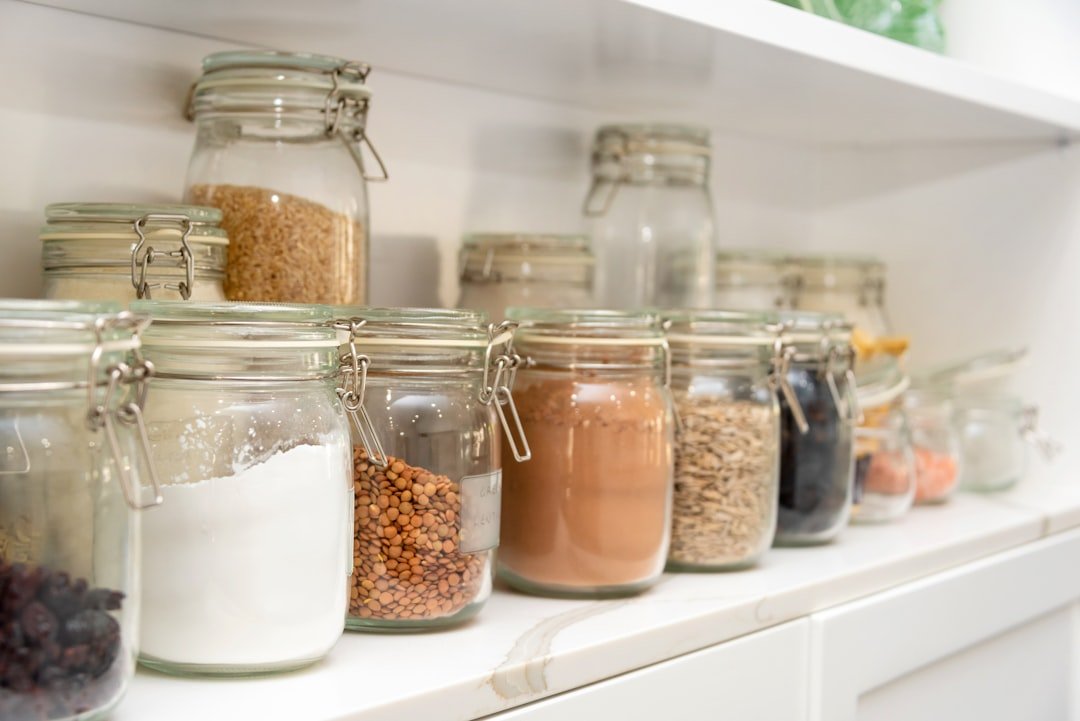
When the fridge looks empty, dinner comes down to three questions: what carb do I have, what protein do I have, and what will make it taste like food. Almost every kitchen that feels bare still holds pasta or rice, an egg or a can of beans, and a shelf of condiments. That is a meal. This guide is sorted by the one thing you probably do have, so you can skip the staring-into-the-fridge part and cook something in about fifteen minutes without a store run.
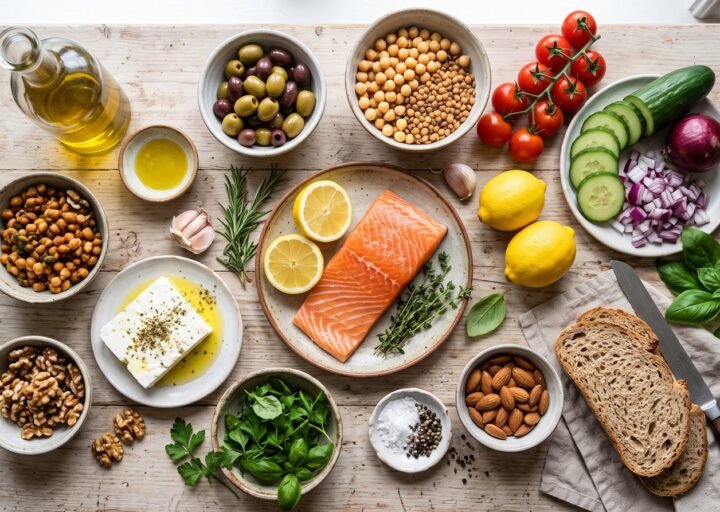
Every meal in this article is the same equation: a carb, a protein, and one strong flavor. Pick one from each column, apply heat, and you have dinner. Once I started thinking in columns instead of recipes, the empty-kitchen panic went away, because the question stopped being “what can I make” and became “which three do I have.”
| Carb | Protein | Flavor |
|---|---|---|
| Pasta, rice, bread | Eggs, canned beans | Soy sauce, hot sauce |
| Potatoes, noodles | Canned tuna or salmon | Jarred pasta sauce, salsa |
| Tortillas, couscous | Cheese ends, frozen meat | Stock cube, mustard, peanut butter |
If you have all three, you are cooking. If you have two, the missing one is usually hiding: a stock cube counts as flavor, a slice of cheese counts as protein, and stale bread counts as a carb right up until it grows something.
Eggs are the most forgiving thing in a bare kitchen because they turn scraps into a dish instead of a pile. Four versions worth knowing by heart:
One note on the eggs themselves: a float test tells you very little about safety, so go by smell once cracked. Eggs several weeks past the carton date are usually fine for cooking through, though they are harder to poach neatly because the whites loosen with age.
The fridge door is a sauce aisle that nobody thinks to shop. Pasta and rice give you the bulk; the bottles give you the reason to eat it.
Dried pasta and white rice both keep for years past the date printed on the bag, so these are the two things worth overbuying on a normal shopping trip.
Stale bread is better than fresh for most of these, because it soaks up liquid without collapsing.
Frozen vegetables plus a stock cube plus any carb makes a soup that tastes deliberate rather than desperate. Frozen peas, pasta, butter, and cheese is a real dish that takes twelve minutes. Freezer-burned sausages are still perfectly safe to eat; freezer burn dries out the surface and dulls the flavor but does not make food unsafe, so bake them on a tray with any root vegetable at 425F for 30 minutes and nobody will ask questions. Stale bread rolls become croutons in a hot oven with oil and salt.
Nights like this are the argument for keeping a small stash of freezer meals ready to go, and the dump-and-bake casseroles are built almost entirely from the kind of ingredients that survive in a freezer drawer.
After enough empty-kitchen nights I started treating these ten as insurance rather than groceries. Any three of them make a meal using the formula above.
Under-seasoning is the first one. Scrap meals lean on salt, acid, and fat more than planned meals do, because there is no marinade or sauce doing the work. Taste before serving and add salt, then a squeeze of lemon or a splash of vinegar.
Overloading the pan is the second. Four sad vegetables crowded into one skillet steam in their own water instead of browning, which is how you end up with gray dinner. Cook in two batches or use a bigger pan.
Ignoring what has gone off is the third. Canned goods past their date are generally fine if the can is not bulging, dented along a seam, or leaking, but anything with an off smell, mold, or a swollen lid goes in the trash. A rescue dinner is not worth a sick night.
Use the formula: any carb, any protein, any strong condiment. Butter and cheese pasta, fried rice from cold rice, a frittata of whatever is in the drawer, or beans on toast cover nearly every empty-kitchen situation, and all four take under twenty minutes.
Almost always, because you are cooking with food you already paid for. A pantry dinner costs a few dollars in ingredients against a delivery order plus fees, tip, and the wait, which is usually about as long as cooking would have taken. Prices vary by city and service, so check your own cart before deciding.
Lean on the carb. Pasta, rice, and potatoes stretch a small amount of protein across four plates, and a frittata or fried rice absorbs whatever odd half-portions are left over. Serve one shared pan in the middle of the table rather than trying to build matching plates.
Dried pasta, white rice, and canned goods keep well past their printed dates, which are quality dates rather than safety deadlines. Flour and brown rice go rancid faster because of their oil content, usually within six months to a year in a warm kitchen. Trust your nose over the label in both directions.
The same carb-protein-flavor habit runs through our 15-minute meals, which is where to look on nights when you have food but no time. When the shopping trip finally happens, cheap dinners under $10 and beginner meal prep in two hours are the two guides that keep next week from ending up back here.
visibility60+
 visibility120+
 visibility80+