 visibility60+
See Complete Recipe
arrow_right_alt
My first attempt at meal prep took an entire Sunday afternoon and I swore off it for months afterward. The version that stuck is smaller, faster, and realistic: two hours, two proteins, two starches, and a rotation of sauces so nothing feels repetitive by Wednesday.
If you are new to meal prep for beginners, this guide walks through the whole process, from what to buy and how to sequence the work to how to store everything safely and keep the week from getting boring.
Meal prep does not mean cooking twenty identical lunches. For beginners, it simply means doing the repetitive work once so that weeknight dinners and workday lunches take minutes instead of an hour. You cook components, not finished dishes, and then mix and match them during the week.
The payoff is practical. You spend less on takeout, waste less food, and avoid the nightly question of what to eat. A short, structured session also keeps the process from feeling overwhelming, which is the main reason new cooks give up. Start small, repeat the same simple routine for a few weeks, and adjust it to fit your schedule and appetite.
Before you start, plan the week loosely. Check which days you will be home, which meals you actually need covered, and what already sits in your fridge. Write a short shopping list built around two proteins, two starches and a few vegetables, so the grocery trip stays quick and focused.
It also helps to set up your kitchen before cooking. Clear the counters, line your sheet pans, put out the containers and read through the plan once. Five minutes of setup saves far more time than it costs, and it stops you from hunting for a lid while the rice boils over.
Get rice or another grain going first since it needs the least attention. While it cooks, brown two proteins, like chicken thighs and ground turkey, in separate pans or on a sheet pan in the oven at the same time.
Cook all meat thoroughly and check doneness with a food thermometer rather than guessing. Use separate cutting boards and utensils for raw meat, and wash your hands and surfaces as you go. Season the proteins differently, one savory and one spicy for example, so the week offers variety from the very first container.
While the oven and stovetop do the work, use the gaps to chop vegetables and mix your sauces. Overlapping tasks like this is the secret to finishing in two hours, because nothing sits idle waiting for the next step. Keep a timer nearby and glance at it often.
Roast a big tray of vegetables while you portion everything into containers. Keep sauces separate in small containers so nothing turns soggy sitting in the fridge for days.
Let hot food cool briefly before sealing the containers, but do not leave it sitting out for long. Moving cooked food into shallow containers helps it cool faster, and getting it into the fridge promptly is one of the most important food safety habits. Label each container with the date so you always know what to eat first.
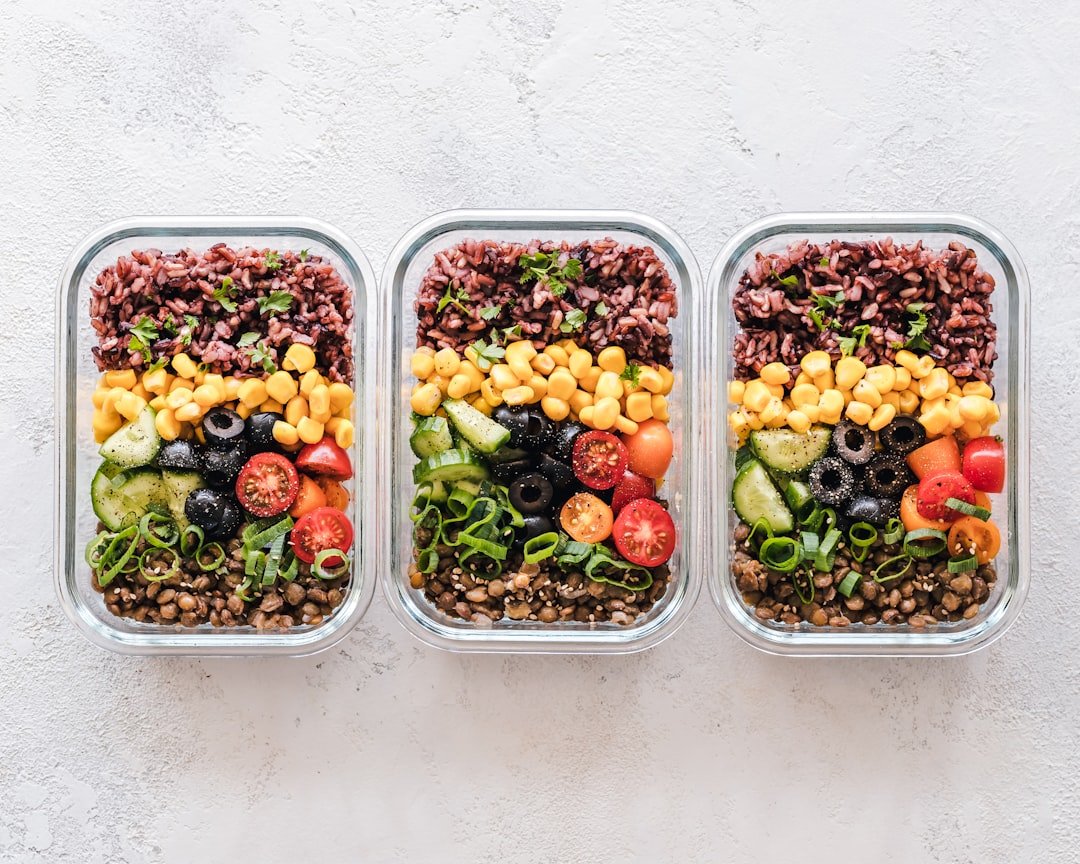
Same base ingredients, different combinations, so it does not taste like the same meal five days straight.
Sauces do most of the heavy lifting here. A creamy peanut sauce, a bright salsa and a herb dressing can make identical chicken taste like three different meals. For more lunch-friendly pairings, see our easy grain bowl recipes, which use the same base-plus-topping idea.
Meal prep is flexible, so swap ingredients freely based on price and preference. Chicken thighs can become chicken breasts, and ground turkey can become ground beef or a plant-based crumble. Rice can be replaced with quinoa, couscous, pasta or roasted potatoes, and any sturdy vegetable such as carrots, cauliflower or green beans can take the place of broccoli.
If you want to keep costs down, build the week around whatever is on sale and lean on inexpensive staples like rice, beans and frozen vegetables. Our guide to cheap dinner ideas has more budget-friendly inspiration. If you cook for people with allergies, swap the peanut sauce for a seed-based or yogurt-based alternative and check labels on store-bought sauces.
Cooked chicken and turkey keep 3 to 4 days. I do a smaller second batch midweek rather than trying to stretch one cook across the entire week.
Keep your fridge cold, store food in airtight containers, and reheat portions until steaming hot all the way through before eating. Avoid reheating the same portion more than once. Grains are best kept chilled promptly after cooking, and sauces, fresh herbs and crunchy toppings should stay in their own containers until the moment you eat.
If you want to cook further ahead, freeze a few portions in the first batch and thaw them overnight in the fridge. Our freezer meal prep recipes cover which dishes freeze best. Soups, shredded meats and cooked grains usually handle freezing well, while crisp vegetables and fresh salad greens do not.
The biggest mistake is trying to prep every meal for the whole week. That leads to a long session, tired cooks and food that goes stale by the end. Start with lunches or dinners only, and add more as your confidence grows. The second mistake is skipping variety, which is why sauces and toppings matter so much.
Other common errors include overcrowding the sheet pan, which steams vegetables instead of roasting them, and sealing hot food in containers, which traps moisture and makes everything soggy. Finally, many beginners forget to clean as they cook. Washing pans while the oven works keeps the kitchen manageable and the session short.
One more trap is ignoring your own tastes. If you dislike a vegetable, do not force it into the plan just because it looks virtuous. A prepped meal you actually want to eat beats a perfect one that ends up in the trash, so build the menu around foods you already enjoy and experiment with one new item at a time.
You do not need a drawer full of gadgets. A couple of sheet pans, a pot for rice, a large skillet, a sharp knife and a sturdy cutting board cover nearly everything. Add a food thermometer for peace of mind with meat, and a set of matching containers with tight lids so stacking and storing stays easy.
If you enjoy sheet pan cooking, our sheet pan dinners show how much one tray can do with very little cleanup. For protein-focused weeks, browse the high protein meal prep ideas too.
Divided containers keep sauces and wetter ingredients separate from rice or grains, which stops everything from turning mushy by day two. Choose ones with tight lids that are safe for the microwave and dishwasher, and use glass if you want to avoid stains and lingering smells from sauces.
No. A sheet pan, one pot for rice, and containers you likely already own are enough to start. Add a food thermometer and extra sheet pan later if you enjoy the routine and want to speed things up or cook larger batches.
Cooked chicken and turkey keep 3 to 4 days when refrigerated promptly in airtight containers. If you want food to last later in the week, freeze some portions on prep day and thaw them in the fridge overnight. Discard anything that smells or looks off.
Yes. Scale the plan down, cook smaller portions, and freeze extras for later. A single protein and a single starch is enough to start, and a midweek mini batch keeps food fresher than one huge cook. You can add a second protein once the routine feels comfortable.
visibility60+
 visibility120+
 visibility420+