 visibility60+
See Complete Recipe
arrow_right_alt

Sheet pan dinners are the reason I own more than one large rimmed baking sheet. Everything roasts together, and cleanup is a single pan, sometimes lined with foil so it is barely a pan at all.
If you want sheet pan dinners that taste like real roasted food and not steamed leftovers, the details matter: spacing, cut size, and what goes in first. This guide covers six reliable combinations, then the equipment notes, swaps, storage tips, and common mistakes that make the method work every time.
Every idea below follows the same logic: cut ingredients to a similar size, give them room, and add the slower-cooking items first. Pick the combination that suits your week, and treat the seasoning as flexible.
Line the pan with foil or parchment first. Cut vegetables to a similar size so everything finishes together instead of some pieces burning while others are underdone.
Any fully seasoned sausage works here, and heartier vegetables like peppers, onions, and potatoes suit this combination best. Serve it straight from the pan with mustard or a simple green salad.
Spread everything in a single layer with space between pieces. Crowding the pan steams the chicken and peppers instead of giving them any char.
Warm tortillas, lime wedges, and your favorite toppings finish the meal. Sliced steak or firm tofu can replace the chicken, and you should check for doneness rather than assume the timing stays the same.
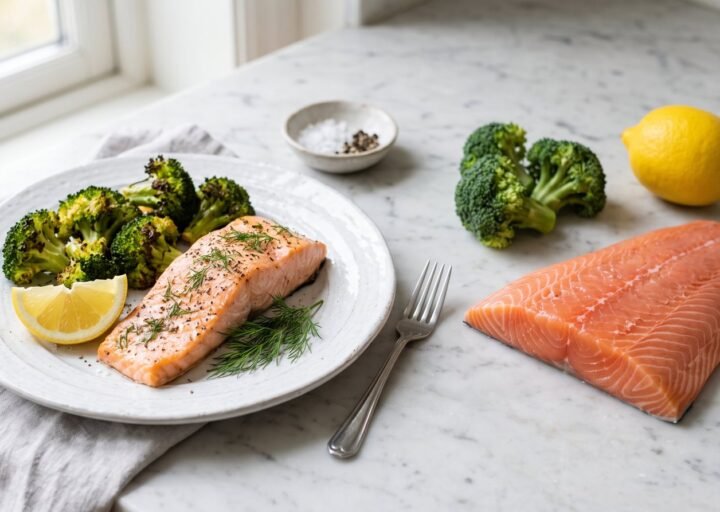
Salmon and asparagus cook at almost the same rate, so they can go on the pan at the same time, unlike most protein and vegetable pairings.
A squeeze of lemon and a little fresh herb at the end keep it light. Green beans or broccoli can take the place of asparagus when it is out of season. Eat leftover salmon sooner rather than later and keep it refrigerated.
Meatballs need a bit more space than you think to brown on the bottom rather than steam against each other.
Serve them over rice, in rolls, or alongside pasta. Prepared meatballs and homemade ones both work, as long as the meatballs are cooked through before serving. For a different take on pan-based dinners, see our one pot meals that save your weeknights.
Par-cook potatoes and corn for about 10 minutes before adding shrimp, which only needs the final 6 to 8 minutes in the oven.
Smoked sausage and a seafood seasoning blend are popular additions. Shrimp turns rubbery quickly when overcooked, so add it last and pull the pan as soon as it is opaque and pink.
Root vegetables take longer than chicken thighs, so give them a 10 minute head start in the oven before adding the chicken to the pan.
Carrots, parsnips, sweet potatoes, and red potatoes all work. Check that the chicken is fully cooked with an instant-read thermometer rather than judging by color alone.
A heavy rimmed baking sheet is the one tool worth buying well. Thin pans warp in a hot oven, and a pan with no rim lets juices run into the oven. Light-colored pans brown more evenly, while dark pans brown faster and may need a closer watch.
Choose between foil and parchment based on the recipe. Parchment is gentle and works for most dinners, while heavy-duty foil handles sticky marinades. A second pan is useful when you cook for a bigger group, because splitting food across two pans prevents crowding. Swap the racks halfway through if both pans are in the oven.
Lining the pan means the only thing you wash afterward is the serving dishes. I keep a roll of heavy-duty foil specifically for this, since thin foil tears on sticky marinades.
Sheet pan cooking is forgiving, and almost any protein or vegetable can be swapped as long as you match cut size and cooking speed. Quick-cooking items like shrimp, fish, and asparagus go on late or cook alongside similar items. Dense vegetables like potatoes and carrots need a head start or smaller pieces.
Chicken breast, thighs, sausage, firm tofu, and chickpeas are all reasonable protein choices. Cauliflower, zucchini, bell peppers, and Brussels sprouts expand the vegetable options. Because every swap changes how fast things cook, rely on visual cues and a thermometer for meat and fish instead of the original timing.
For dietary needs, use plant-based sausage, dairy-free seasoning blends, or gluten-free tortillas and sides. Read labels on pre-seasoned products, since they sometimes contain hidden allergens.
Sheet pan dinners are easy to prep ahead. Cut vegetables and keep them in airtight containers in the refrigerator, and keep raw meat separate. Seasoning blends can be mixed in advance, and marinades should always stay in the refrigerator rather than on the counter.
For leftovers, follow standard food-safety guidance. Refrigerate cooked food within two hours of cooking and store it in shallow airtight containers. Plan to eat leftovers within three to four days, and sooner for seafood. Reheat until steaming hot at 165°F all the way through. Roasted vegetables lose some crispness when reheated, so a hot oven or an air fryer works better than a microwave. Our air fryer vegetables guide explains how to bring back that texture.
If you like cooking in batches, try our high protein meal prep ideas for ways to turn a single pan into several lunches.
Serve straight from the pan for a relaxed family dinner, or move food to a platter for company. Simple sides keep the meal balanced without extra work: a green salad, rice or couscous, warm bread, or a spoonful of yogurt-based sauce. Fresh herbs, lemon, and a drizzle of good olive oil right before serving make an everyday pan look and taste more special.
For fajitas and shrimp boils, set out bowls of toppings and let everyone build their own plate. For salmon and chicken, a quick sauce stirred together while the pan roasts adds moisture and flavor. When you need something even faster, these quick dinner ideas for busy weeknights offer more options.
Overcrowding is the biggest problem. When food touches or overlaps, moisture has nowhere to go and the vegetables steam. Use two pans if everything does not fit in a single layer with visible space between pieces.
Uneven cuts are the second. Large and small pieces finish at different times, so cut ingredients to match. Using too little fat is another trap: lightly coating vegetables in oil helps them brown, while soggy, dry, or burnt edges are often a sign that the coating was uneven.
Finally, avoid opening the oven constantly or skipping the thermometer. Opening the door lets heat escape, and color alone is not a safe test for chicken, sausage, or meatballs. Add delicate items late so they do not overcook.
Usually overcrowding the pan. Vegetables need space around them for the hot air to circulate, or they steam in their own moisture instead of browning. Use a second pan if needed, cut pieces to a similar size, and dry washed vegetables thoroughly before they go on the pan.
400 to 425°F for most combinations. Higher heat gives better browning in the same amount of time it takes the inside to finish cooking. Check meat and fish with a thermometer to be sure they are done, and adjust when you swap in thicker or thinner pieces.
Both work. Parchment is gentle and suits most dinners, while heavy-duty foil holds up better to sticky marinades and sauces. Either way, lining the pan keeps cleanup minimal. Avoid foil with very acidic foods such as marinades heavy in lemon or vinegar, which can react with it.
Refrigerate leftovers within two hours of cooking and plan to eat them within three to four days, sooner for seafood. Store in airtight containers and reheat until steaming hot throughout. Discard anything that has been left out too long or that smells or looks off.
visibility60+
 visibility120+
 visibility420+