 visibility60+
See Complete Recipe
arrow_right_alt

High protein meal prep gets boring fast when it is the same grilled chicken and rice five days running. I rotate through a few different bases and sauces so the protein stays the constant, not the whole meal.
These high protein meal prep ideas are the ones I keep coming back to because they reheat well, use ordinary grocery store ingredients, and still taste good on day four. Below you will find six meals, plus swaps, storage rules and the mistakes that make prepped food disappointing.
Grilled chicken, rice or orzo, cucumber tomato salad, and tzatziki packed separately so the sauce does not turn everything soggy by day three.
If you like the flavors here, our easy Greek recipes have more ideas for marinades and sides. A squeeze of lemon and a sprinkle of dried oregano over the chicken just before eating brings the whole bowl back to life.
Ground turkey, seasoned and browned in batch, keeps 4 days and reheats without drying out the way chicken breast sometimes does.
Pack the meat with rice or beans, and keep salsa, shredded lettuce and cheese in a separate small container. Add them after reheating so the lettuce stays crisp and the cheese melts over the warm meat.
Eggs, a bit of milk, whatever vegetables and cheese you have, baked in a muffin tin. Grab-and-go for busy mornings, not just lunch.
Spinach, peppers, onions and leftover cooked sausage or ham all work well. Cook any raw vegetables first so they do not release water into the eggs. For more morning options, see our high protein breakfast without eggs if you need a change.
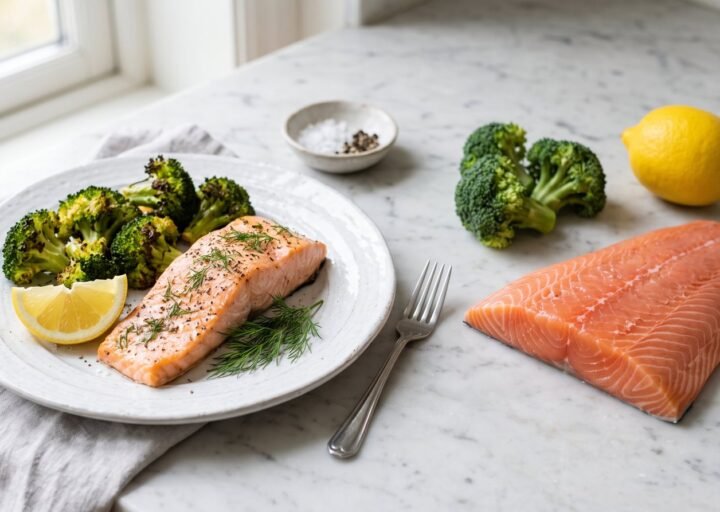
Salmon reheats best gently, either in the microwave at half power or briefly in a pan, since high heat dries it out fast.
Broccoli, carrots, zucchini and sweet potato roast well alongside the fish. Because cooked fish has the shortest fridge life of the group, I eat these bowls first in the week, usually on day one or two.
Cube sweet potatoes small so they roast or pan-fry through in the same time as browning the beef.
Onion, garlic, smoked paprika and a handful of spinach stirred in at the end make this skillet feel like a complete dinner. It is also very good wrapped in a tortilla with a little cheese for a portable lunch.
A plant-based option that holds up well cold, useful for the days you want variety without cooking a fifth protein.
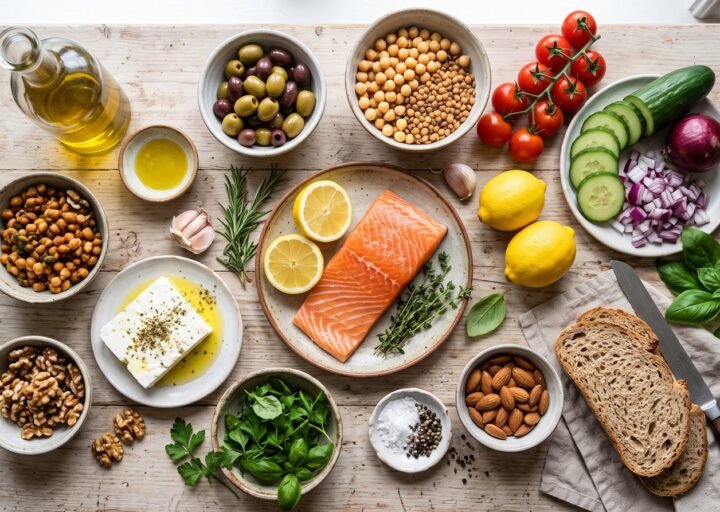
Toss the chickpeas and quinoa with a lemon and olive oil dressing, then add cucumber, parsley and crumbled feta if you eat dairy. This one tastes better after a night in the fridge because the grains soak up the dressing.
I cook two proteins and two starches each week, then mix and match with three or four different sauces so lunch does not feel identical every single day.
The idea is to prep components, not finished meals. Cook the proteins and starches on one afternoon, roast one tray of vegetables, and keep fresh toppings raw. On the day you eat, you assemble a bowl in two minutes. That also means a single batch of chicken can become a Greek bowl on Monday and a burrito filling on Wednesday.
If you are new to batch cooking, start small. Our guide to meal prep for beginners in 2 hours walks through a simple order of work so everything finishes at the same time.
Sauce is the cheapest way to avoid repetition. Plain cooked chicken can taste Greek with yogurt and lemon, Mexican with salsa and lime, or Asian with soy sauce, ginger and a little sesame oil. Keep sauces in small jars and add them at serving time. Dressing the food early makes grains soft and vegetables limp.
A few I rotate: garlicky yogurt sauce, a quick peanut sauce thinned with warm water, chimichurri made with parsley and vinegar, and a simple tomato salsa. Each one takes about five minutes to stir together, and a jar of any of them lasts several days in the fridge. Taste and adjust the salt and acid right before eating, because cold food needs a little more seasoning than hot food.
These ideas are flexible. Chicken thighs can replace chicken breast in any bowl, and they stay juicier when reheated. Ground chicken or lean ground pork can stand in for ground turkey. Brown rice, farro, couscous or cauliflower rice can replace white rice or orzo depending on what you prefer.
For plant-based eating, firm tofu, lentils, black beans or edamame work in place of meat in nearly every bowl above. Greek yogurt can replace sour cream, and cottage cheese blends into a creamy sauce with extra protein. Swap vegetables with the seasons, using whatever is cheap and fresh. If you want more budget-friendly meals, see our cheap dinner ideas under 10 dollars.
Cool cooked food quickly and get it into the fridge within two hours of cooking. Shallow containers cool faster than deep ones. Store everything at fridge temperature in airtight containers, and keep cooked poultry, beef and turkey for no more than 3 to 4 days. Cooked fish is best eaten within 3 days.
Freeze anything you will not eat in that window, ideally in single portions, and label the container with the date. Thaw frozen meals overnight in the fridge rather than on the counter. When reheating, heat the food until it is steaming hot all the way through, stirring halfway in the microwave so there are no cold spots. If a container smells off or looks slimy, throw it away. For more ideas that freeze well, browse our freezer meal prep recipes.
You do not need much. A couple of sheet pans, a large skillet and a muffin tin cover all six meals. Good glass or BPA-free plastic containers with tight lids matter more than any gadget, and divided containers keep wet and dry components apart. A rice cooker is a nice extra for hands-off grains, and a meat thermometer takes the guesswork out of whether chicken or turkey is cooked through.
The first mistake is cooking five identical meals. Variety in sauce and toppings solves that. The second is dressing everything in advance, which leaves salads wet and grains mushy. The third is overcooking protein on the first pass, since it cooks again when you reheat it. Pull chicken and fish a little early and let reheating finish the job gently.
The last is prepping too much. Plan for three or four days of meals, not seven, and freeze the rest. Fresh food at the end of the week tastes better and is safer than a fridge full of leftovers from Sunday.
3 to 4 days for cooked poultry. After that, freeze individual portions instead of pushing the fridge window further. Keep the container sealed and cold, and reheat until steaming hot. If you are unsure whether something is still good, it is safer to throw it out.
Rice, beans, and most proteins freeze well. Fresh vegetables like cucumber and tomato do not, so add those fresh after thawing the rest. Freeze in single-serving containers, leave a little space for expansion, and thaw overnight in the fridge before reheating.
Store sauces, dressings and wet toppings in separate small containers and add them when you eat. Let hot food cool a little before sealing the lid so steam does not condense and drip back onto the food. Divided containers also help keep crisp ingredients away from moist ones.
Chickpeas, lentils, black beans, tofu and eggs all keep well and reheat easily. Quinoa adds some protein as a base too. Season them boldly, since plant proteins are milder than meat, and pair them with a punchy sauce so they taste interesting through the week.
For the minimal-effort version of the same idea, try healthy 3-ingredient meals — one protein, one vegetable, one thing that carries flavour.
visibility60+
 visibility120+
 visibility420+