 visibility60+
See Complete Recipe
arrow_right_alt

Filling salads are possible, and they do not have to feel like punishment. A salad that leaves you hungry an hour later is not doing its job. The difference between a filling salad and a sad desk lunch usually comes down to two things: enough protein, and enough textural contrast to make it satisfying to eat.
This guide gives you six salads built around that idea, then goes further with the practical details: a simple formula, ingredient swaps, mistakes to avoid, how to prep ahead safely, and what to serve alongside.
Grilled chicken, real parmesan, and both croutons and an extra vegetable like chickpeas for a second source of texture and protein.
Make sure the chicken is cooked all the way through and let it rest briefly before slicing, so the juices stay in the meat. Tear the romaine rather than chopping it, and dry the leaves well so the dressing clings instead of pooling at the bottom of the bowl. Shave the parmesan with a vegetable peeler for big, salty ribbons.
Chickpeas, cucumber, tomato, feta, and a lemon dressing. Substantial enough on its own, no side needed.
Drain and rinse canned chickpeas well, then pat them dry so they absorb the dressing rather than diluting it. This salad actually improves after sitting for a little while, as the chickpeas soak up the lemon. If you enjoy this style of eating, our viral cucumber salad and other fresh salads is a good companion read.
Slice steak thin against the grain. The fat and protein from the steak and cheese are what make this filling rather than just a green side dish.
Let the steak rest before slicing, and look for the direction of the muscle fibers so you cut across them. That keeps every bite tender. Serve the steak just warm over cool greens for a pleasing contrast. Blue cheese is strong, so crumble it over the top rather than mixing it through.
Black beans, corn, chicken, and a lime dressing, closer to a taco in bowl form than a typical lettuce salad.
Rinse the canned beans to remove excess salt and the thick liquid. Add crushed tortilla chips at the last moment for crunch, and a spoonful of salsa or a few slices of avocado for creaminess. Fresh cilantro lifts the whole bowl if you like it.
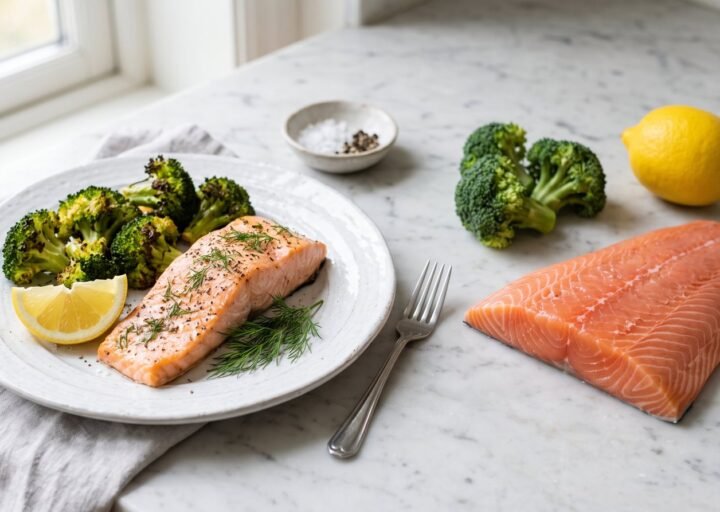
Healthy fat from the avocado and salmon adds satiety that a purely vegetable salad does not provide.
Cut the avocado right before serving, and squeeze a little lemon or lime over it to slow browning. Salmon should be cooked through before it goes on the salad. Leftover cooked salmon works well here, which makes this a smart use of last night’s dinner.
Canned tuna and white beans over greens, dressed simply with olive oil and lemon. An underrated pantry-based option for a filling lunch with almost no prep.
Drain the tuna well and flake it gently so it keeps some texture. Rinse the beans, and add something sharp like thinly sliced red onion or capers to balance the richness. It comes together in minutes, which suits our 10 minute lunch ideas for work from home days.
Protein, a starch or legume, healthy fat, and only then the greens. Salads built backward, starting with lettuce and adding a token amount of protein, are the ones that leave people hungry by 3pm.
Once you know the formula, you can invent your own. Pick a protein you have on hand, add a bean, grain, or roasted potato, bring in a fat such as avocado, nuts, seeds, cheese, or olive oil, and finish with greens and something crunchy. Add something acidic, like lemon, lime, or vinegar, so the salad tastes bright rather than heavy. For a grain-based take on the same idea, see our easy grain bowl recipes for lunch.
Leafy greens are mostly water and fiber and very light. A big bowl looks like a meal but offers little to keep you going. Protein and fat slow digestion, and starchy ingredients like beans provide steady energy. Texture matters too: crunchy, creamy, and chewy elements make you eat more slowly and feel more satisfied. If your usual salad leaves you hunting for snacks, one of these elements is probably missing.
Starting with lettuce. Build from the protein and starch up, and treat greens as the base layer, not the main event.
Dressing too early. Dressed greens wilt. Add the dressing just before eating, or pack it separately.
Skipping the acid. A flat salad usually needs lemon juice, vinegar, or lime to wake it up.
Wet ingredients. Wash and thoroughly dry greens, drain canned beans and fish, and pat tomatoes and cucumbers dry. Excess water dilutes dressing and makes the salad soggy.
Leaving out texture. A bowl of soft ingredients feels like baby food. Add nuts, seeds, crisp vegetables, or toasted bread.
Cutting everything the same size. Bite-sized pieces that fit on a fork make the salad easier and more pleasant to eat.
A salad spinner is the single most useful tool for crisp greens, since dry leaves hold dressing better. A large mixing bowl lets you toss properly instead of stirring around the edges. A sharp knife and a cutting board used only for ready-to-eat foods keep prep quick and safe. For meal-prepped salads, wide jars or containers with tight lids keep ingredients layered and separate until you are ready to eat.
Salads are great for planning ahead if you keep the parts separate. Store dressing apart from the greens, and keep crunchy toppings in their own container. Cooked proteins like chicken, steak, and salmon should be refrigerated within two hours of cooking and eaten within three to four days. Cut avocado is best prepared the same day. Canned tuna and beans, once opened, should be moved to a covered container and refrigerated.
Keep prepared salads cold, below room temperature, especially when they contain meat, fish, eggs, or dairy. If a packed lunch will sit out for hours, include an ice pack. For more planning ideas, read our guide to meal prep for beginners, or our high protein meal prep ideas.
Most of these salads are meals on their own. For a bigger dinner, add warm crusty bread, a cup of soup, or roasted potatoes on the side. Serve the steak salad with a baked potato for a classic steakhouse feel. The Southwest salad works as a taco bowl over rice, and the chickpea salad is excellent stuffed into a warm pita. For a lighter lunch, serve the tuna and white bean salad on toast.
Somewhere around 25 to 35 grams keeps most people satisfied through the afternoon, roughly a palm-sized portion of chicken, salmon, or a cup and a half of beans. Individual needs vary, so adjust to your appetite and activity level.
Yes, if you keep the dressing separate until you are ready to eat. Dressed greens turn limp within a few hours in the fridge. Store proteins, toppings, and greens in separate containers and assemble when hungry for the best texture.
Dry your greens thoroughly, drain wet ingredients, and keep dressing separate until serving. When packing a jar salad, put dressing on the bottom and leafy greens on top, so nothing wilts before you shake it together.
Beans, lentils, chickpeas, tofu, eggs, quinoa, nuts, seeds, and cheese all add staying power. Combine a legume with a healthy fat such as avocado or olive oil, and you get a satisfying, vegetarian salad that holds up until dinner.
A good salad is a real meal: protein first, something hearty beside it, a little fat, and plenty of crunch. Try one of these six this week and see how long it keeps you going.
visibility60+
 visibility120+
 visibility420+