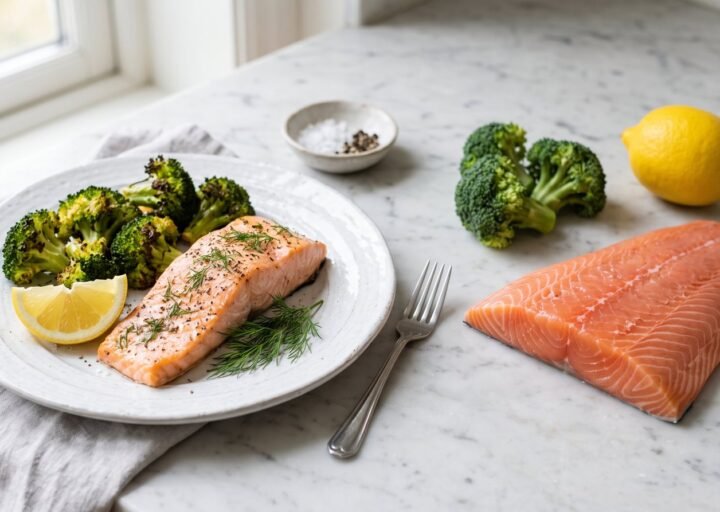
 visibility60+
See Complete Recipe
arrow_right_alt
What to eat freely, weekly, occasionally and rarely on the Mediterranean diet, plus a starter shopping list and what a typical day looks like.
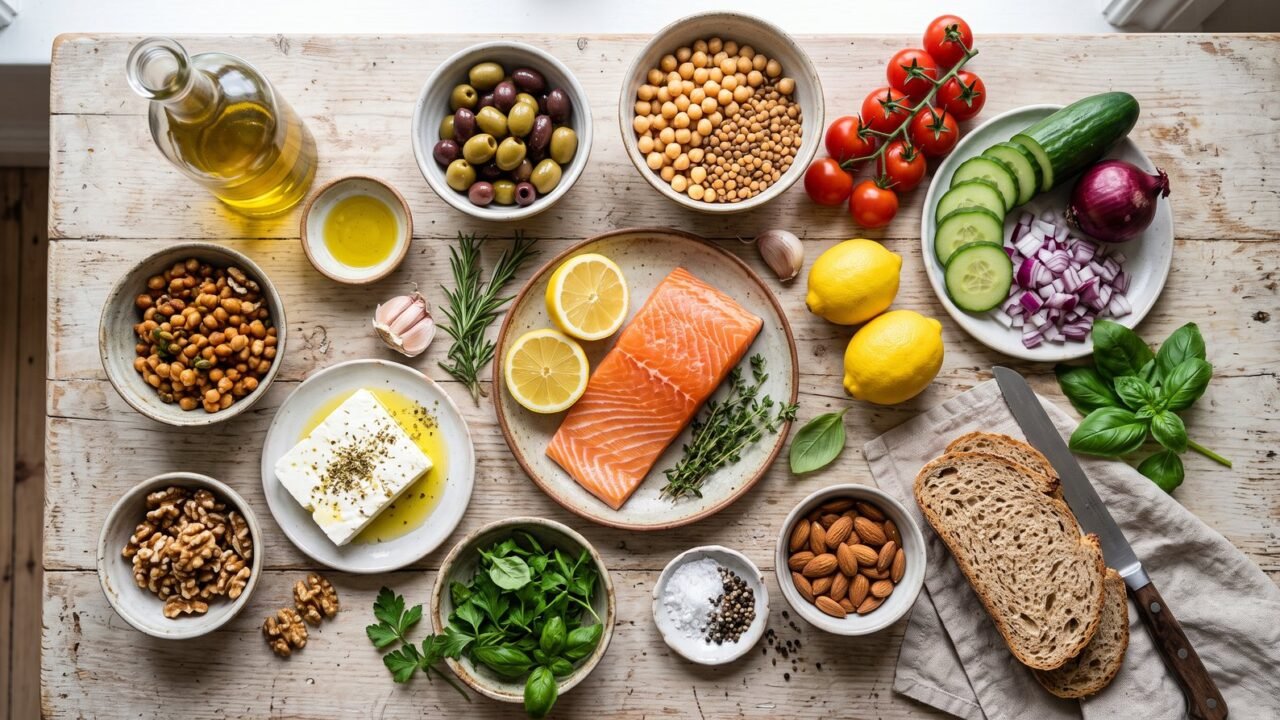
Most Mediterranean diet advice starts with recipes. That is the wrong end. If you know what belongs in the trolley, the recipes take care of themselves — and if you do not, you end up buying a jar of tapenade, using it twice, and giving up.
This is the food list: what to eat freely, what to eat weekly, what to keep occasional, and what to genuinely limit. Nothing here is exotic and nothing is banned.
If you remember nothing else: build the plate around plants, cook with olive oil, and let meat be a guest rather than the host.
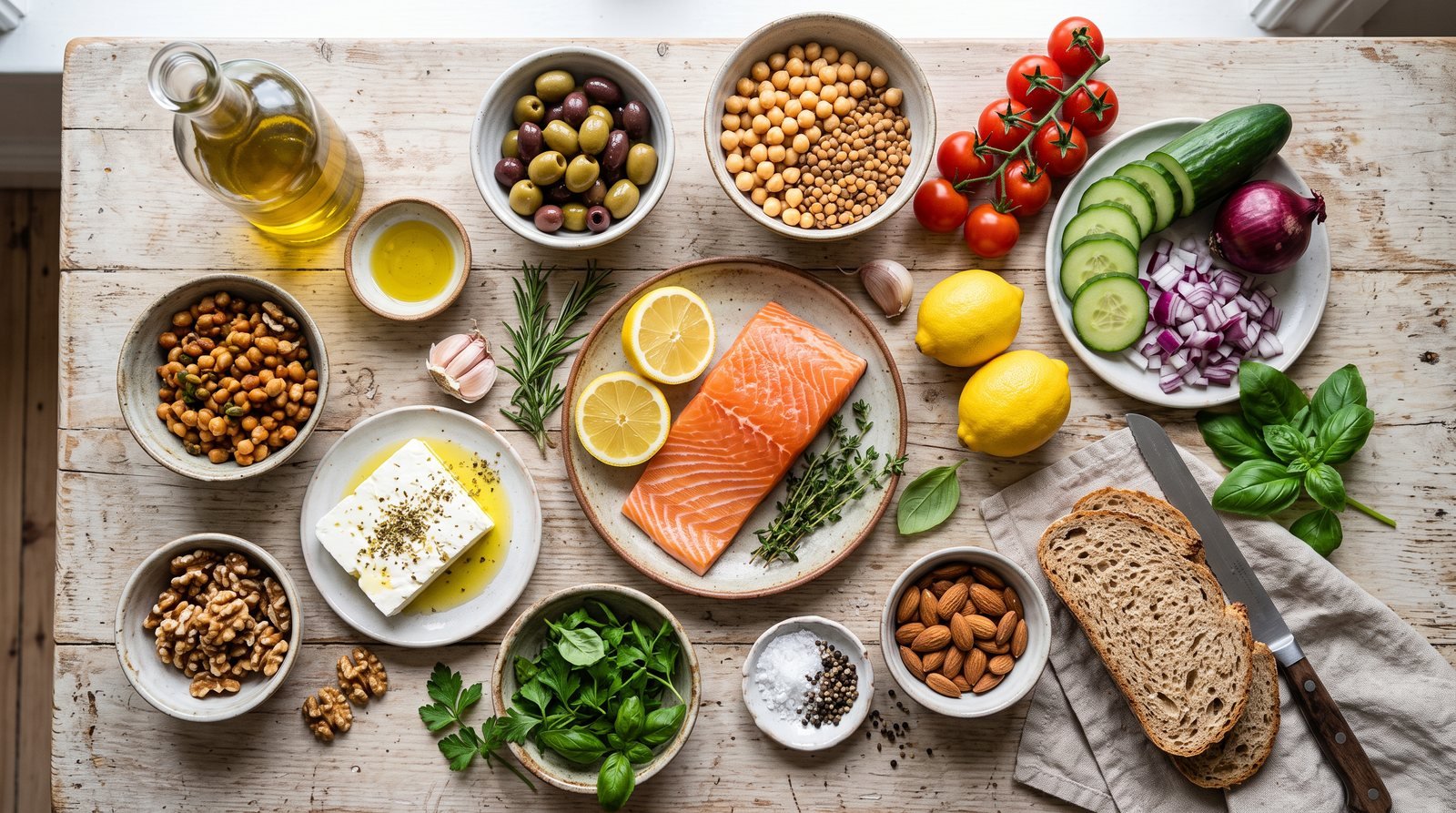
Tomatoes, cucumber, courgette, aubergine, peppers, onion, garlic, spinach, kale, broccoli, cauliflower, artichoke, fennel, leeks, carrots, green beans, mushrooms, rocket, lettuce, beetroot.
Frozen counts. Tinned tomatoes count and are arguably better than fresh out of season. Aim for vegetables at two meals a day rather than one token side.
Chickpeas, lentils (red, green, brown), cannellini beans, butter beans, borlotti, black-eyed peas, broad beans, peas.
These are the quiet engine of the whole pattern — cheap, filling, high in fibre, and the thing that lets you eat less meat without noticing. Tinned is fine.
Wholemeal bread, wholewheat pasta, bulgur, farro, barley, brown rice, oats, couscous (wholewheat where you can find it), polenta.
Oranges, lemons, figs, grapes, melon, peaches, apricots, apples, pears, pomegranate, dates, berries. Fruit is the default dessert here, not a consolation prize.
Walnuts, almonds, pistachios, hazelnuts, pine nuts, sesame and tahini, sunflower and pumpkin seeds, green and black olives. A small handful of nuts a day is the traditional pattern — unsalted where possible.
Extra virgin, used for cooking, dressing and finishing. This is the defining ingredient of the entire diet, and it is used generously rather than measured out. If you buy one thing well, buy this.
Oregano, basil, parsley, mint, rosemary, thyme, dill, bay, cumin, paprika, cinnamon, black pepper, chilli flakes, za’atar, sumac.
Herbs do the work salt would otherwise do. They cost very little and are the difference between simple food and plain food.
Sardines, anchovies, mackerel, salmon, trout, sea bass, cod, hake, prawns, mussels, squid, tuna.
Oily fish — sardines, mackerel, salmon — carry the omega-3s this diet is known for. Tinned sardines are among the cheapest nutrient-dense foods in any supermarket, and frozen white fish is entirely acceptable.
Greek yoghurt, plain natural yoghurt, feta, halloumi, ricotta, parmesan, pecorino, manchego. Cheese appears as a flavouring or a modest portion, not as the centre of a meal.
Eggs several times a week; chicken and turkey once or twice. Both are fine — they are simply not the daily default.
“Limit” genuinely means limit, not eliminate. A diet you cannot follow at a birthday party is not a diet you will follow for thirty years, and longevity is the entire point of this one.
Everything you need for a first week, in the order of a typical supermarket:
That list makes every recipe in our Mediterranean diet recipes for beginners guide, and maps onto the seven-day meal plan if you want the week decided for you.
No counting, no weighing, and nothing on that day takes more than twenty minutes to put together.
Vegetables, fruit, legumes, whole grains, nuts, seeds, olives and olive oil daily; fish and seafood at least twice a week; yoghurt, cheese and eggs in moderate amounts; poultry weekly; red meat and sweets occasionally.
None are strictly forbidden. Processed meats, refined grains, added sugar, sugary drinks and ultra-processed snacks are limited rather than banned — the pattern is defined by what you eat most of the time.
Yes, in moderate amounts. Feta, ricotta, halloumi and hard cheeses like parmesan are traditional. The distinction is portion and role — cheese seasons a dish rather than forming the bulk of it.
Yes. Bread is entirely traditional. Choose wholegrain or sourdough where you can, and eat it with olive oil rather than butter.
Extra virgin olive oil, for both cooking and dressing. It is stable enough for normal home cooking temperatures, and it is the ingredient most closely associated with the diet’s benefits.
At least two portions a week, with at least one of them oily — sardines, mackerel or salmon. Tinned and frozen both count.
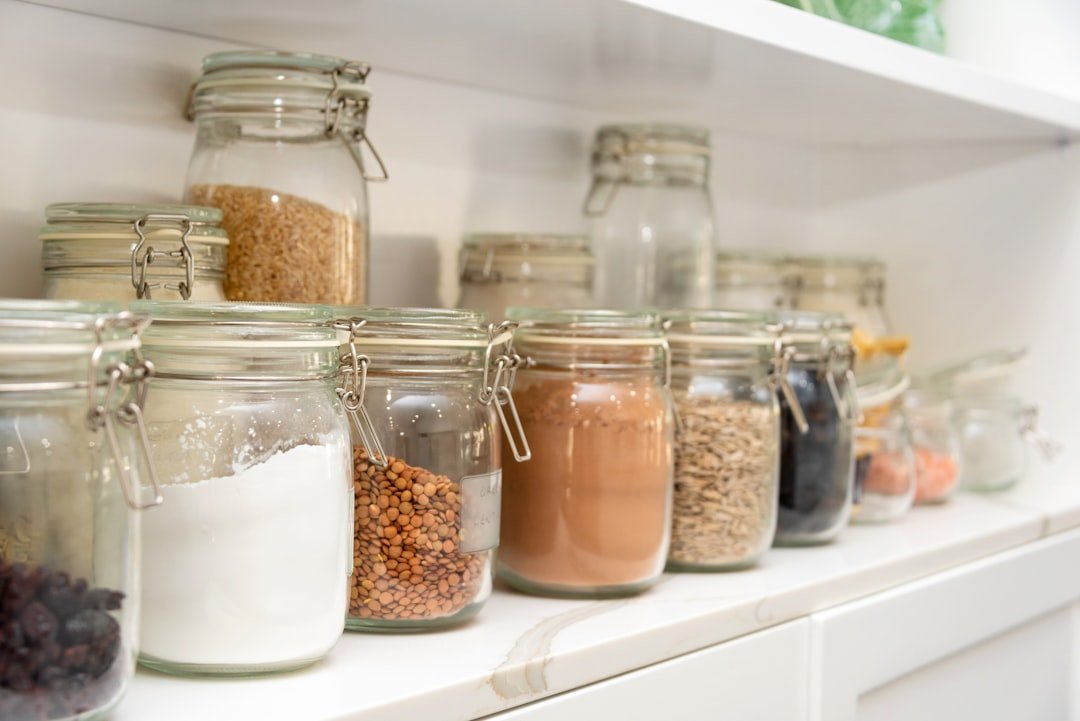
Nobody sticks to a Mediterranean diet by memorising rules. They stick to it because the cupboard has chickpeas, tinned tomatoes and good olive oil in it, and the fridge has feta and lemons. Get the shopping right and the eating follows almost automatically.
This article is general information about a way of eating, not medical or dietary advice. If you have a health condition or specific nutritional needs, check with a doctor or registered dietitian before making significant changes.
visibility60+
 visibility420+
 visibility80+