 visibility60+
See Complete Recipe
arrow_right_alt
20 easy Mediterranean recipes for genuine beginners, plus the first shopping list and a four-week plan for building the habit slowly.
The Mediterranean diet has sat near the top of “best diet” rankings for years, and all that praise can make it sound harder than it is. Beginners often assume they need a specialist deli, Greek cookbooks and a new set of pans. You can start it this week with a normal supermarket shop, because most of it is a handful of default choices about what goes in your basket.
Below are twenty recipes, from no-cook to proper weeknight dinners, followed by a first shopping list, a four-week way to ease in, and the mistakes that make people give up.
It’s a pattern of eating with no rulebook. Vegetables, pulses, whole grains, fruit and nuts make up most of what you eat. Olive oil is the main fat, and you use plenty of it. Fish and seafood turn up a couple of times a week, while poultry, eggs, yoghurt and cheese appear in moderate amounts. Red meat and sweets are occasional. Meals tend to be eaten slowly, often with other people.
There’s no calorie counting, no banned foods and no “phase one”, and that’s a big reason people stay on it. It looks a lot like the way large parts of southern Europe have always eaten, so there’s no end date to reach.
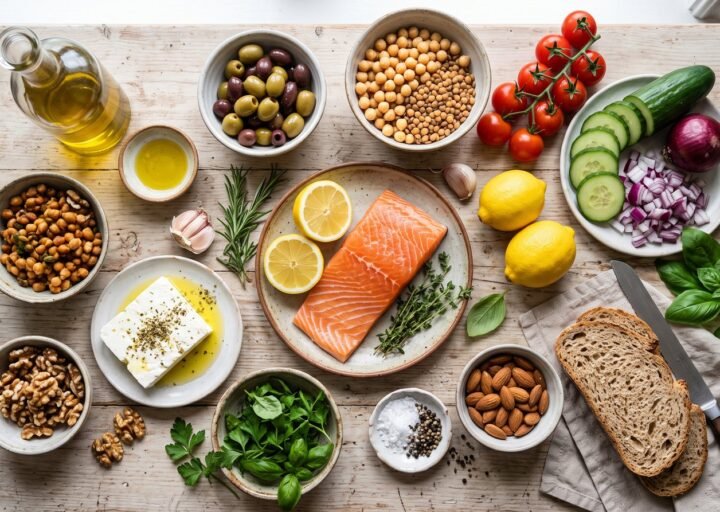
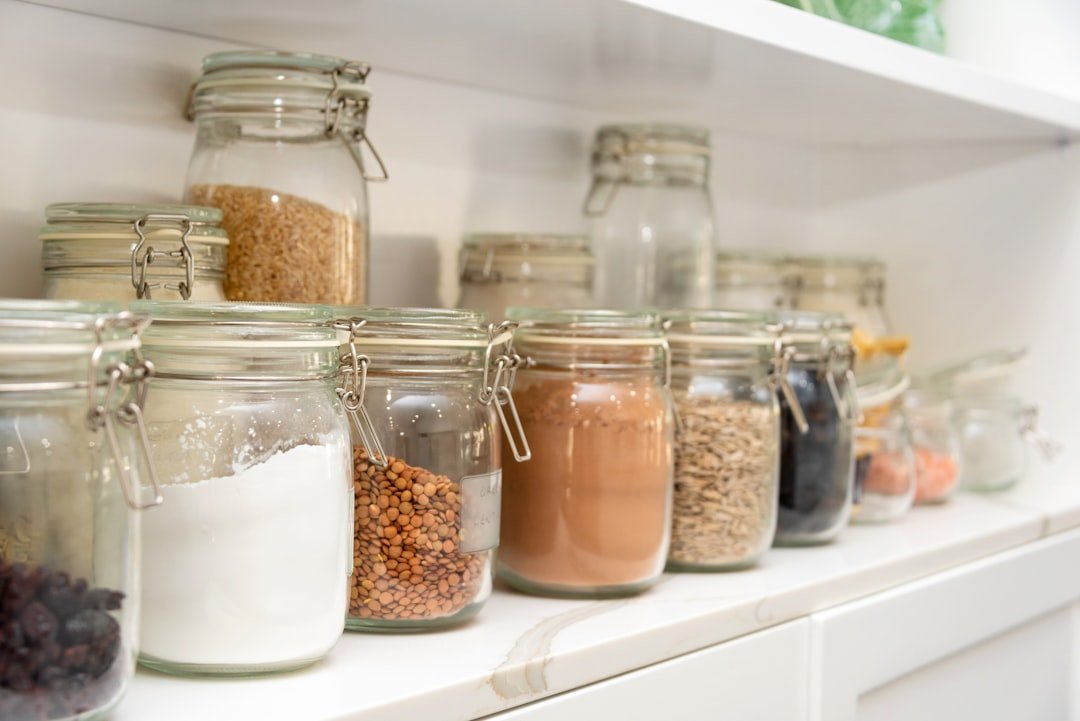
Everything here is standard supermarket stock, and between them these items cover every recipe below.
About the olive oil: buy a decent extra virgin for dressing and drizzling, and a cheaper bottle for cooking if the price stings. Mediterranean cooks treat olive oil as a flavour in its own right, and that habit changes how simple food tastes more than any other single swap.
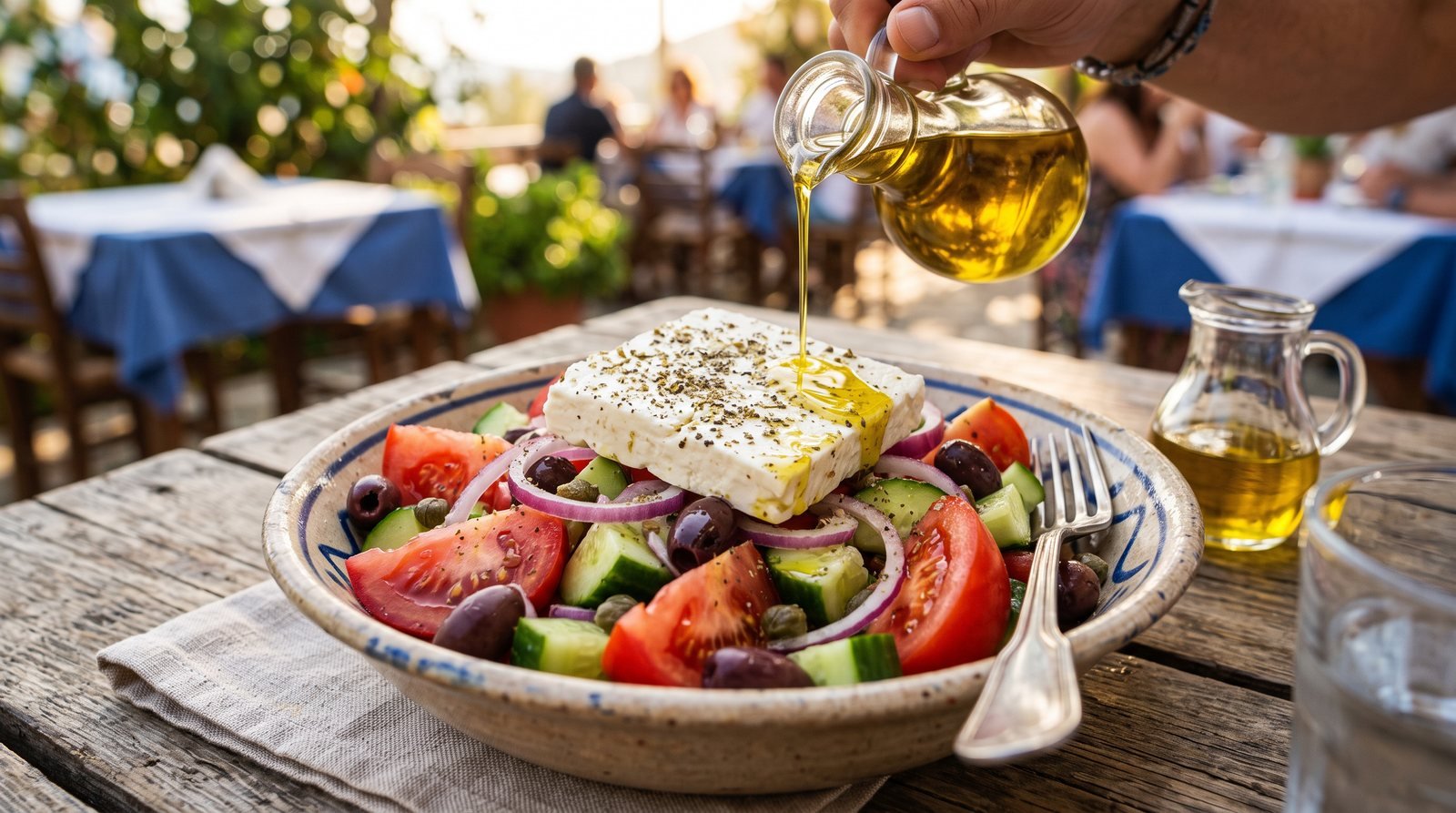
Chunks of cucumber, tomato and red onion, a handful of olives, a whole slab of feta on top, then olive oil, dried oregano and a squeeze of lemon. A traditional horiatiki has no lettuce, and it tastes better for it.
Shop-bought hummus is a perfectly good place to start. Warm a pitta, slice a pepper and some cucumber, add a drizzle of oil and a pinch of paprika over the hummus, and you have lunch.
A tin of tuna, a tin of cannellini beans, finely sliced red onion, chopped parsley, lemon juice and oil. It takes five minutes, it’s high in protein, and it’s still good the next day, so make double.
Mash drained white beans with a crushed garlic clove, olive oil and salt, spread it thickly on toasted wholemeal bread, and top with sliced tomatoes and black pepper.
A bowl of thick yoghurt, a handful of walnuts and a spoon of honey works as breakfast or pudding. Add fruit when you have it.
Cube a block of feta, put it in a jar with olives, olive oil, oregano and lemon zest, and leave it for an hour. It keeps in the fridge for about a week and livens up salads, toast and roast vegetables.
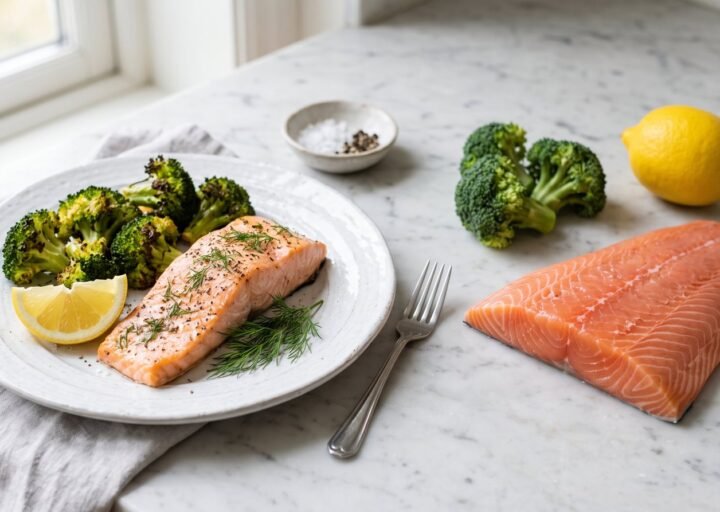
Put salmon fillets on a lined tray, spoon over olive oil mixed with lemon juice, crushed garlic and oregano, and bake at 200°C for 12 to 15 minutes. Of everything here, this is the dinner I’d suggest trying first. It’s quick, hard to get wrong, and goes with any of the sides further down.
Marinate chicken thighs in lemon, oregano, garlic and oil for as long as you can spare (even twenty minutes helps). Put rice and stock in a baking dish, lay the chicken on top and roast covered, then uncovered for the last fifteen minutes so the skin browns and the juices soak into the rice.
Soften a chopped onion, carrot and celery stick in olive oil, add a teaspoon of cumin, then a mugful of dried lentils, a tin of tomatoes and about a litre of stock. Simmer for 30 minutes. It’s cheap and filling, and it freezes well.
Garlic and smoked paprika in oil, then a tin of tomatoes and a tin of chickpeas, simmered for ten minutes before you stir in a big handful of spinach until it wilts. It’s done in one pot in about twenty minutes. Serve it with bread or rice, or with yoghurt on top.
Chunks of courgette, pepper, red onion and cherry tomatoes, tossed in oil and roasted hot (220°C) for about 25 minutes. Add slices of halloumi for the last ten minutes so they brown without turning rubbery.
This is more or less puttanesca. Melt a couple of anchovy fillets in olive oil with garlic, add tinned tomatoes, olives and capers, and simmer while the pasta cooks. The anchovies are optional, but they dissolve completely and give the sauce most of its depth.
Any white fish fillet (cod, hake, haddock or frozen basa) baked on a bed of halved cherry tomatoes and olives with olive oil and lemon, at 200°C for about 15 minutes. The tomatoes collapse into a sauce around the fish while it cooks.
Cook orzo in stock like a quick risotto, stirring now and then. Add grated courgette and prawns for the last few minutes, then finish with lemon zest, lemon juice and crumbled feta.
A little bulgur, a lot of chopped parsley, diced tomato, spring onion, lemon juice and oil. It should be mostly green, with the grain as a background note.
Pour hot stock over couscous, cover for five minutes and fluff with a fork. Stir through chickpeas, chopped cucumber and tomato, herbs, lemon and oil. It’s a good one to pack for lunch.
Halve aubergines, score the flesh in a criss-cross, brush generously with oil and roast at 200°C for 35 to 40 minutes, until soft enough to collapse. Spoon over yoghurt mixed with a little crushed garlic and salt.
Put a block of feta in a small dish, surround it with cherry tomatoes and olives, pour over olive oil and bake until the feta slumps and the tomatoes burst. Eat it with bread, or toss it through pasta.
Tinned sardines mashed onto toast with lemon, a pinch of chilli and some parsley. Oily fish like sardines are a good source of omega-3, and tinned ones are among the cheapest in the shop.
Brush pitta with oil, sprinkle with za’atar and warm it in the oven. Serve it as a side or a snack, or eat it standing at the counter.
People who stick with it rarely overhaul everything at once. They make one change a week for a month.
By the end of the month you are eating a Mediterranean pattern most days without having followed a plan. If you’d rather have every day mapped out, our Mediterranean diet meal plan for a week does it for you. The Mediterranean diet food list covers what to buy in more detail, and the easy Greek recipes go deeper on one cuisine.
The most common one is treating it as a low-fat diet. Olive oil, nuts, olives and oily fish are at the centre of it, and cutting them out takes away much of the benefit along with most of the enjoyment.
The second is buying speciality ingredients before you’ve cooked anything. Preserved lemons and a particular Greek oregano can wait. Tinned tomatoes and a bag of lentils are enough to start.
The third is leaving out herbs and spices. Dried oregano, cumin and paprika cost very little, and without them simple food tastes plain, which is usually when people give up.
Switch your cooking fat to olive oil, add two fish meals a week, and replace one meat dinner with a pulse dish such as lentil soup or chickpea stew. Change one thing a week rather than everything at once.
No. Olive oil, tinned tomatoes, tinned chickpeas, lentils, feta, lemons, oregano and frozen fish cover almost every recipe here, and ordinary supermarkets sell all of them.
It’s usually cheaper than a meat-heavy diet. Lentils, chickpeas, tinned tomatoes, tinned sardines and seasonal vegetables are some of the cheapest foods you can buy. Olive oil is the one thing worth spending a bit more on.
Yes, both are traditional. Pick wholegrain versions where you can, and use pasta as a base for vegetables, pulses and olive oil instead of heavy cheese and cream sauces.
No. There are no banned foods, no counting and no phases. You eat more plants, olive oil and fish and less red meat, most of the time, and nobody expects you to be perfect.
Greek yoghurt with walnuts and fruit for breakfast, a tuna and white bean salad with bread for lunch, a handful of almonds and an apple in the afternoon, and baked salmon with roast vegetables for dinner. None of it takes more than twenty minutes to make.
Make the Greek salad tonight and the baked salmon on Thursday. If you keep doing that for a month, adding a recipe or two each week, most of what you cook will already be Mediterranean.
{“@context”:”https://schema.org”,”@type”:”FAQPage”,”mainEntity”:[{“@type”:”Question”,”name”:”How do I start the Mediterranean diet as a beginner?”,”acceptedAnswer”:{“@type”:”Answer”,”text”:”Switch your cooking fat to olive oil, add two fish meals a week, and replace one meat dinner with a pulse dish such as lentil soup or chickpea stew. Change one thing a week rather than everything at once.”}},{“@type”:”Question”,”name”:”Do I need special ingredients?”,”acceptedAnswer”:{“@type”:”Answer”,”text”:”No. Olive oil, tinned tomatoes, tinned chickpeas, lentils, feta, lemons, oregano and frozen fish cover almost every recipe here, and ordinary supermarkets sell all of them.”}},{“@type”:”Question”,”name”:”Is the Mediterranean diet expensive?”,”acceptedAnswer”:{“@type”:”Answer”,”text”:”It’s usually cheaper than a meat-heavy diet. Lentils, chickpeas, tinned tomatoes, tinned sardines and seasonal vegetables are some of the cheapest foods you can buy. Olive oil is the one thing worth spending a bit more on.”}},{“@type”:”Question”,”name”:”Can I eat bread and pasta on the Mediterranean diet?”,”acceptedAnswer”:{“@type”:”Answer”,”text”:”Yes, both are traditional. Pick wholegrain versions where you can, and use pasta as a base for vegetables, pulses and olive oil instead of heavy cheese and cream sauces.”}},{“@type”:”Question”,”name”:”Is it a strict eating plan?”,”acceptedAnswer”:{“@type”:”Answer”,”text”:”No. There are no banned foods, no counting and no phases. You eat more plants, olive oil and fish and less red meat, most of the time, and nobody expects you to be perfect.”}},{“@type”:”Question”,”name”:”What does a typical Mediterranean day look like?”,”acceptedAnswer”:{“@type”:”Answer”,”text”:”Greek yoghurt with walnuts and fruit for breakfast, a tuna and white bean salad with bread for lunch, a handful of almonds and an apple in the afternoon, and baked salmon with roast vegetables for dinner. None of it takes more than twenty minutes to make.”}}]}
visibility60+
 visibility120+
 visibility420+