 visibility60+
See Complete Recipe
arrow_right_alt

One bowl baking recipes exist for the days I want something baked without pulling out the stand mixer or dirtying three bowls in the process. Fewer dishes, same result.
These one bowl baking recipes are ideal for beginners, busy weeknights and anyone who dreads the cleanup after baking. Below you will find six classic ideas, the order of mixing that keeps everything in a single bowl, plus swaps, storage tips, common mistakes and answers to the questions bakers ask most.
Traditional baking often calls for separate bowls for dry ingredients, wet ingredients and mix-ins, plus a mixer. Quick breads, muffins, brownies and many cookies are forgiving enough that you can skip most of that. Building the batter in a single bowl saves time, saves dishes, and makes baking feel less like a project.
It also lowers the barrier to baking at all. When the cleanup is small, you are far more likely to bake on a random Tuesday. If you enjoy low-effort desserts, our easy desserts with 5 ingredients or less are a good companion to this list.
Mash bananas directly in the mixing bowl first, then add the rest of the wet ingredients before folding in the dry ones.
Cream butter and sugar by hand with a sturdy spoon or whisk, which works fine for a small batch without a mixer.
Fold the blueberries in last, gently, so they do not streak the batter purple before baking.
Melt butter directly in the mixing bowl in the microwave, then build the rest of the batter right on top of it.
Grate the carrots directly into the bowl of wet ingredients so they do not need a separate cutting board and bowl.
Canned pumpkin puree mixes in easily with the wet ingredients without needing to be measured in a separate bowl first.
Wet ingredients first, dry ingredients folded in last, and any mix-ins like chocolate chips or berries added at the very end so they do not get overmixed.
Think of the bowl as a layered build. Start with the messiest or heaviest wet ingredient, such as mashed banana, melted butter or pumpkin. Add eggs and flavorings next, then sprinkle the dry ingredients on top and fold only until you no longer see streaks of flour. Finish with chips, nuts or fruit. Following your recipe’s own amounts and bake times exactly matters more than anything else here, since these tips only change how you mix, not what goes in.
Most one bowl recipes are flexible, but swaps can change texture, so make them one at a time:
If you need to avoid allergens, check labels carefully, since baking ingredients and mix-ins can contain hidden allergens.
Even simple recipes can go sideways. These are the most common texture issues with one bowl baking and what usually causes them:
An inexpensive oven thermometer is one of the most useful baking tools, because many home ovens run hotter or cooler than their dial says. When something goes wrong, change only one thing at a time so you can tell what fixed it.
Most baked goods keep well, and a few simple habits help them stay fresh and safe:
Looking for more ways to plan ahead? Our guide to healthy dessert recipes for sweet cravings has more make-ahead ideas, and overnight oats recipes cover the breakfast side of the same lazy-prep mindset.
Banana bread and pumpkin bread are lovely sliced and spread with a little butter or cream cheese. Muffins pair well with coffee or tea for breakfast, and warm brownies are a classic with a scoop of ice cream or a spoonful of yogurt and berries. Cookies are great in lunchboxes, and carrot cake makes a good centerpiece for a simple weekend get-together. Wrapping a few pieces in parchment makes an easy homemade gift too.
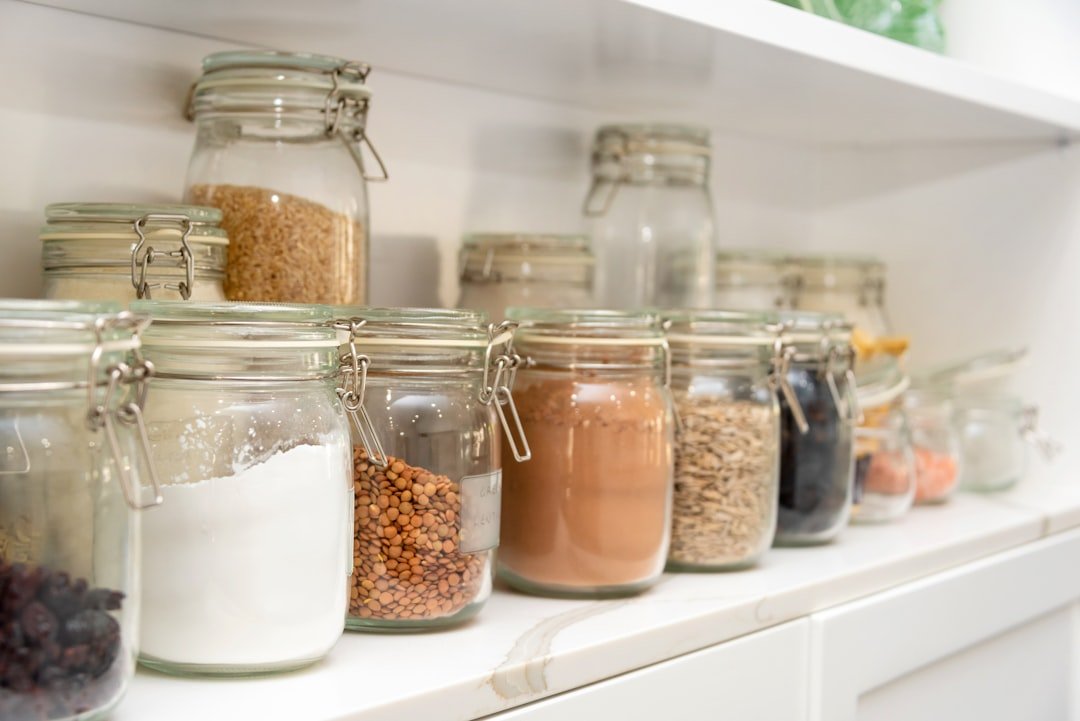
You need less equipment than you think. A large mixing bowl, a sturdy whisk or wooden spoon, a rubber spatula, a set of measuring cups and spoons, and the right baking pan or muffin tin cover everything on this list. A microwave-safe bowl lets you melt butter in the same bowl you mix in, and a box grater handles carrots. Parchment paper makes cleanup even easier, especially for brownies and cookies. If you like simple weeknight cooking as much as simple baking, you may also enjoy our one pot meals that save your weeknights.
No, a sturdy whisk or wooden spoon handles these fine, since one bowl recipes are not usually whipping in as much air as a layer cake.
Use a large mixing bowl if doubling, since the ingredients need room to fold together evenly without spilling over the sides.
The ingredients are similar, but the method is simplified. You combine wet ingredients first, fold in dry ingredients, and add mix-ins last, all in one bowl, instead of sifting and mixing in separate bowls or using a mixer.
Keep cooled baked goods in an airtight container at room temperature for a day or two. Refrigerate anything with fresh fruit or perishable frosting, and freeze wrapped portions for longer storage.
Pick one recipe, grab a big bowl, and enjoy baking with almost no cleanup.
visibility60+
 visibility120+
 visibility420+