 visibility60+
See Complete Recipe
arrow_right_alt
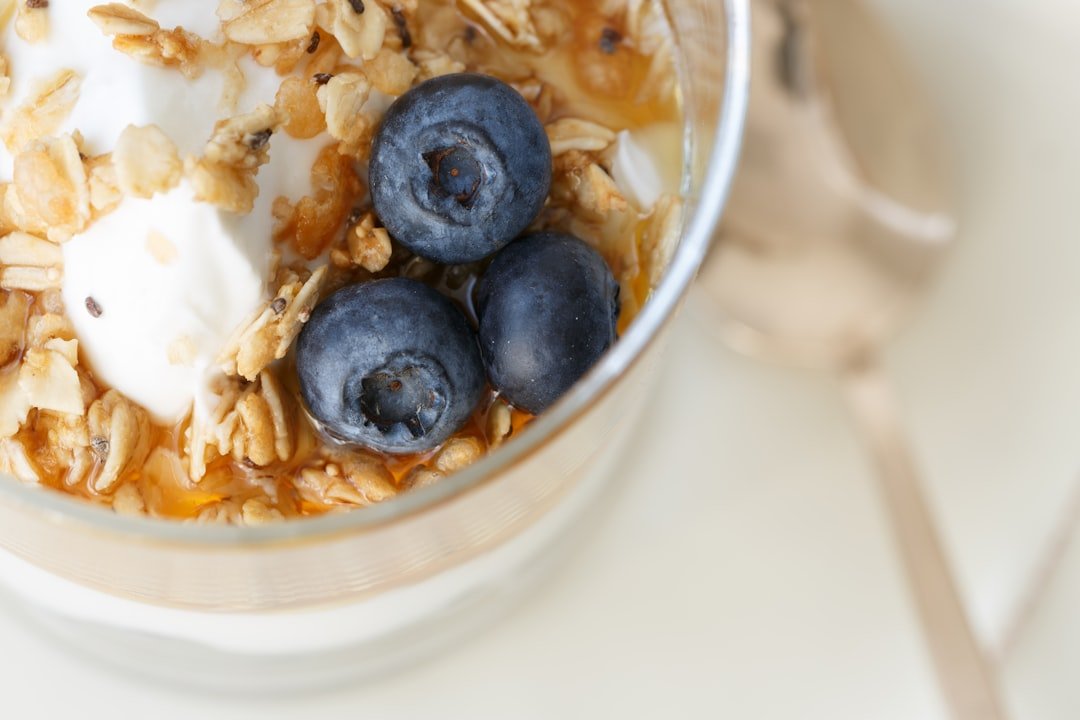
Overnight oats saved my mornings the year my youngest started needing to be out the door by 7:15. No stove, no standing over a pot, just a jar in the fridge that is ready when everyone else is still finding their shoes.
These overnight oats recipes all start from the same simple jar, so once you learn the base you can swap flavors without rethinking anything. Below you will find the ratio, six flavor ideas, easy substitutions, storage notes and answers to the questions I get asked most.
Half a cup of old-fashioned rolled oats to just over half a cup of liquid, plus a spoonful of yogurt or chia seeds for texture. Quick oats turn mushy overnight, and steel-cut oats stay too firm without cooking first, so rolled oats are the one to buy for this.
Rolled oats are the foundation, but the liquid and the toppings decide whether your jar tastes like breakfast or like wet cardboard. Dairy milk gives the creamiest result, while unsweetened almond, oat or soy milk all work if that suits your household better. Plain yogurt adds tang and body, and it also makes the oats feel more filling, so it is worth keeping a tub in the fridge just for this.
Sweetness is easier to control than most people expect. Ripe banana, a drizzle of maple syrup or honey, or a few chopped dates all do the job, and fruit added at the start sweetens the whole jar as it sits. Hold back crunchy toppings such as nuts, seeds and granola until the morning, because they go soft overnight and you lose the contrast that makes the jar fun to eat.
You do not need anything special. A mason jar or any container with a tight lid is the main piece of equipment, and a wide mouth makes it easier to stir and to eat straight from the jar. Glass is easiest to wash and does not hold onto flavors, though a sturdy plastic container is lighter for a lunch bag.
A set of measuring cups and a small spoon for stirring are the only other tools. Shake or stir well after adding the liquid so no dry oats stay stuck at the bottom, because dry pockets are the number one reason a jar turns out lumpy. If you carry the jar to work, pack a separate small container for crunchy toppings.
Mash half a banana into the oats before refrigerating so it sweetens the whole jar, then slice the other half on top in the morning.
Grated apple releases liquid overnight, so use slightly less milk than your usual ratio or the oats end up too loose.
A spoonful of cocoa powder mixed in with the dry oats, not stirred in after, distributes evenly instead of clumping.
Frozen blueberries work better than fresh here since they release less liquid into the jar overnight.
Finely grated carrot, a pinch of cinnamon and nutmeg, and a spoonful of raisins added at the start so they plump up by morning.
Canned pumpkin puree, not pumpkin pie filling, which already has added sugar and spice you cannot control the amount of.
Most overnight oats recipes are forgiving, which means you can swap ingredients to suit allergies, budget or whatever is in the cupboard. These swaps keep the texture close to the original.
Whenever you change the liquid or add a watery fruit, adjust the amount by a spoonful at a time and make a note of what worked for next time.
Most people eat overnight oats cold, straight from the jar, topped with fresh fruit, a spoonful of nut butter or a handful of crunchy granola. A little extra milk poured over just before eating loosens the texture if the jar thickened overnight.
If you prefer something warm, scoop the oats into a bowl and heat them gently in the microwave, stirring partway through, until warm to the touch. Add toppings afterwards. On rushed mornings, grab the jar, a spoon and a piece of fruit and eat at your desk or in the car after the school run. They also work as a light lunch or snack, especially with a boiled egg or a handful of nuts on the side for extra protein.
For more morning ideas, see our healthy breakfast ideas that keep you full until lunch and the high protein breakfast without eggs list.
Fix these few habits and almost every disappointing jar becomes a good one.
I make a full week of these on Sunday night in mason jars. They keep 4 to 5 days in the fridge, so I still do a smaller batch midweek for the last two days rather than pushing the full five days on the first batch.
Overnight oats belong in the refrigerator the whole time, in a container with a tight lid. Keep them cold until you are ready to eat, and as a rule do not leave a jar out at room temperature for more than about two hours. If a jar smells sour or off, or you are not sure how long it has been in the fridge, throw it out rather than risk it.
Fruit that breaks down quickly, such as sliced banana, is best added on the day you eat the jar. Keep the base jars in the fridge and add toppings fresh each morning. For more ideas on planning ahead, our meal prep for beginners guide and easy grain bowl recipes for lunch show the same make-ahead habits at work.
No, that is the entire point. The oats soften in the liquid overnight and are ready cold, though some people warm them slightly if they prefer. Eating them straight from the fridge is perfectly safe as long as the jar stayed cold, and many people find the cold, creamy texture the best part.
You can, but the texture is thinner and less creamy. A mix of half water, half milk is a reasonable middle ground if you are watching cost. Stirring in a spoonful of yogurt or a little nut butter brings back some of the creaminess you lose with water.
Oats absorb liquid differently depending on brand and cut, so treat the ratio as a starting point and adjust by a tablespoon of liquid up or down after your first jar. Too thick? Stir in a splash of milk before eating. Too runny? Add a spoonful of oats or chia seeds and give it a few minutes to absorb.
Yes, many people prepare several jars at once and eat them over the next few days. Stick to the 4 to 5 day window mentioned above, keep jars sealed and cold, and add fresh fruit and crunchy toppings on the day you eat. If you prefer, make two smaller batches during the week instead.
visibility60+
 visibility120+
 visibility420+