 visibility60+
See Complete Recipe
arrow_right_alt

Eggs are the default answer to high protein breakfast, but my youngest went through a phase of refusing them entirely, which forced me to find real alternatives that still hit double digit protein.
If you are hunting for a high protein breakfast without eggs, whether the cause is an allergy, a texture problem or plain boredom, this guide gives you six dependable options, plus swaps, make-ahead tips, storage advice and the mistakes that quietly ruin a morning meal.
Plenty of households need a high protein breakfast without eggs. Some people have an allergy or intolerance, some simply dislike the smell or the rubbery texture, and some are tired of scrambling the same thing every day. Whatever the reason, the goal is the same: a morning meal with enough protein to keep you full, ideally one you can assemble in minutes.
The good news is that dairy, lean meats, oats, nut butters and even a glass of milk contribute meaningful protein. The trick is combining them deliberately instead of grabbing toast and hoping for the best. Every idea below can be built from ordinary grocery store ingredients, and none of them require a special trip or a pricey supplement.
Plain Greek yogurt has roughly double the protein of regular yogurt. Add fruit and a spoon of nut butter to round it out.
Choose plain yogurt rather than flavored cups, since flavored versions often carry a lot of added sugar. For substitutions, any thick strained yogurt works, and a dairy-free strained yogurt can stand in if dairy is a problem, though its protein content varies, so check the label. Toppings like seeds, chopped nuts or a crunchy cereal add texture without extra effort.
Blend it smooth first if the texture is the objection, which it usually is. Blended cottage cheese loses the curds but keeps the protein.
Once blended it behaves like a thick cream, so it spreads on toast, tops a bowl of berries or swirls into oatmeal. A pinch of cinnamon or a little fruit puree hides any tang. Serve it chilled, and keep the container tightly closed in the fridge between uses.
A scoop of protein powder or an extra spoonful of Greek yogurt stirred into the base oat mixture from the night before.
Stir well so the powder does not clump, and give the jar a good shake in the morning. If you want more ideas for the base recipe, our overnight oats recipes cover plenty of flavors. The yogurt route is simpler and avoids the chalky taste some powders leave behind.
Dice sweet potato small and give it a head start in the pan before adding the turkey sausage, since it takes longer to cook through.
Make sure the sausage is cooked all the way through before serving, and use a thermometer if you are unsure. Chicken sausage or a plant-based sausage can replace turkey, and regular potatoes can replace sweet potato. A spoonful of salsa or a squeeze of lemon brightens the whole pan.
Milk alone carries more protein than most people expect, and a spoon of peanut or almond butter adds both protein and staying power.
Add a frozen banana for creaminess and a handful of oats if you want the smoothie to feel more like a meal. Soy milk is the closest non-dairy match for protein, while most other plant milks contain much less. Blend the nut butter thoroughly so no gritty bits remain.
Chicken sausage, rice or potatoes, and a vegetable, essentially a savory breakfast bowl for anyone who is simply tired of sweet breakfasts.
Leftover rice works well here, and spinach, peppers or roasted broccoli all fit the bowl. Season with whatever you like, from hot sauce to a little soy sauce. This one pairs nicely with the ideas in our guide to healthy breakfasts that keep you full.
Mornings go smoothly when most of the work is already done. Overnight oats and yogurt bowls can be assembled the evening before, while sausage and hash components can be cooked on the weekend and portioned into containers. Keep toppings like nuts or granola separate until serving so they stay crunchy.
For food safety, refrigerate cooked foods promptly rather than leaving them out for hours, and keep your fridge cold. Use a clean spoon each time you scoop from a shared container, and discard anything that smells off or looks questionable. When reheating cooked sausage, hash or rice, heat until steaming hot all the way through. If you like batch cooking, the strategies in our high protein meal prep ideas work for breakfast too.
Freezing is useful for the cooked savory options. Portion them into airtight containers, label them with the date, and thaw in the fridge overnight before reheating. Dairy-based bowls and smoothies are best made fresh or assembled the night before rather than frozen.
The first mistake is relying on flavored products that look healthy but deliver little protein and plenty of sugar. Always compare labels, especially on yogurt, plant milks and breakfast bars. The second is skipping the planning step: a protein-rich breakfast almost always depends on having the ingredients on hand before the morning rush.
The third mistake is changing everything at once. If your family dislikes eggs, introduce one new option at a time and let people customize toppings. Finally, do not undercook meats while rushing. Sausage should be cooked through, and a quick thermometer check beats guessing.
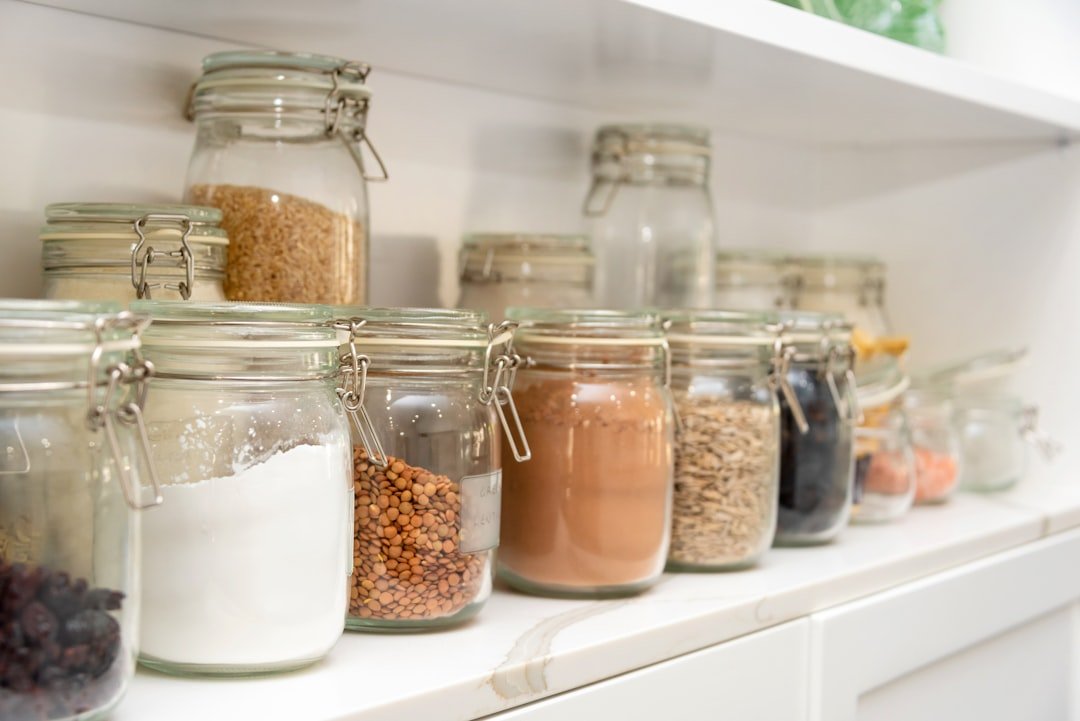
You do not need much. A decent blender handles smoothies and smooths out cottage cheese, a nonstick or cast iron skillet suits the hash and bowls, and a few jars or lidded containers make overnight oats portable. A food thermometer is a cheap tool that adds confidence with sausage, and a sharp knife makes dicing sweet potato faster and safer.
If you are short on space, a single wide-mouth jar covers both overnight oats and shaker-style smoothies, and a basic spatula is enough for the skillet dishes. Good lids matter more than fancy gadgets, because leaky containers in a work bag are the fastest way to abandon a breakfast routine.
Think of these breakfasts as building blocks. Pair a small yogurt bowl with a glass of milk on a hectic day, or serve the sausage bowl alongside fruit for a heartier weekend meal. Smoothies travel well in a lidded cup, and overnight oats can go straight from the fridge into a work bag.
If you are feeding a mixed crowd, set up a small breakfast bar with yogurt, fruit, nuts and oats and let everyone build their own bowl. Kids tend to eat more when they get to choose, and adults get a protein boost without extra cooking. For lunch ideas that keep the same momentum, see our easy grain bowl recipes.
Aiming for 20 to 30 grams keeps most people full until lunch without needing a mid-morning snack, though needs vary by person. Children and people with medical conditions may need different amounts, so check with a doctor or dietitian if you are unsure what suits you.
Yogurt bowls and overnight oats keep 3 to 4 days assembled in the fridge. Hash and sausage bowls reheat well from frozen portions too. Keep crunchy toppings separate, store everything in sealed containers, and reheat savory dishes until steaming hot throughout.
Greek yogurt, cottage cheese, milk, nut butter, oats and cooked sausage all provide protein. Combining two or three of them in one meal, such as yogurt with nut butter and oats, delivers a satisfying amount without any eggs at all. Tofu scrambles are another option if you eat soy.
Yes. Blending cottage cheese removes the texture many people dislike, and smoothies hide ingredients entirely. Let kids pick their own toppings and introduce one new option at a time. Familiar flavors like peanut butter, banana and cinnamon make unfamiliar bases easier to accept.
visibility60+
 visibility120+
 visibility420+