 visibility60+
See Complete Recipe
arrow_right_alt
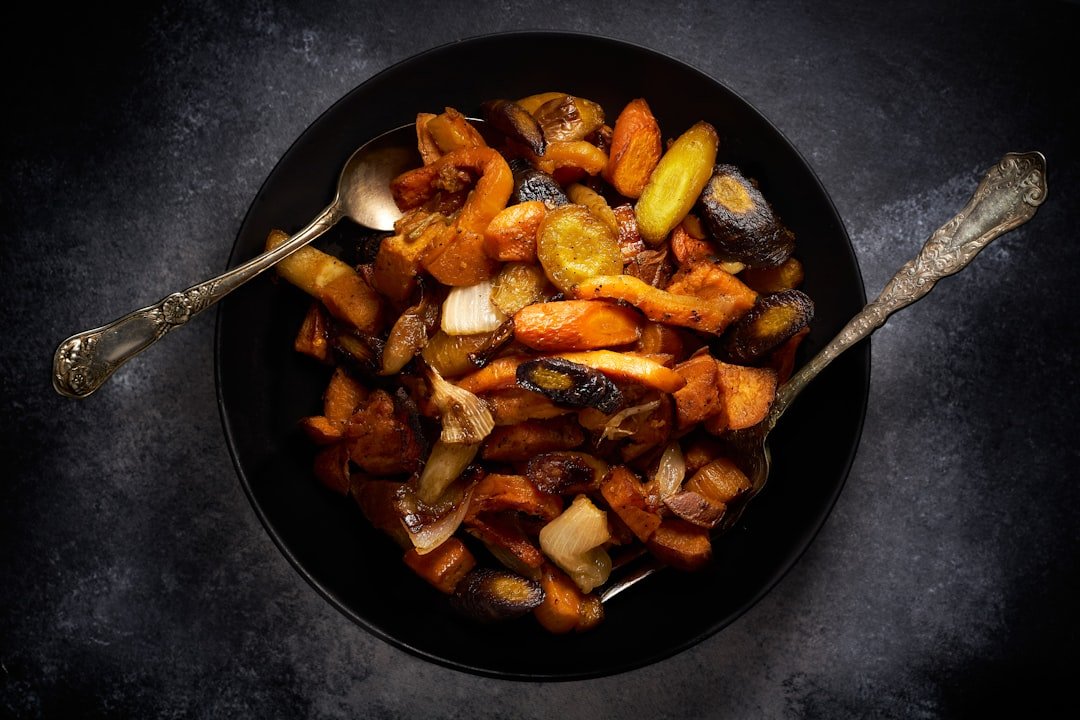
My husband called himself a vegetable skeptic for years. The air fryer changed his mind, and the reason is simple: it gets vegetables brown and crisp at the edges, which steaming and boiling never do. Browning brings out the sugars in vegetables, so broccoli tastes nutty and Brussels sprouts taste sweet instead of sulfurous.
Below are the ten vegetables that work best in an air fryer, with the temperature and time for each, a few seasoning ideas, and the two mistakes behind most soggy batches.
Wash the vegetables and dry them well with a clean towel. Cut them into even pieces so they finish at the same time. Toss with about a tablespoon of oil per pound of vegetables and a good pinch of salt, then spread them in the basket in a single layer. Cook at 375 to 400°F, shaking the basket halfway through. That’s the whole method, and the rest of this post is mostly about how each vegetable likes to be cut.
Trim the ends and cut the sprouts in half. Toss with oil and salt and put them in the basket cut side down if you can. Cook at 375°F for 12 to 15 minutes, shaking once. The outer leaves go dark and crackly while the middles turn tender, and those crisp leaves are usually what wins people over. A drizzle of honey or balsamic in the last two minutes makes them taste almost like candy.
Cut into medium florets and dry them completely, since the tight heads hold water and will steam. Cook at 375°F for 8 to 10 minutes. The tips should look slightly charred. Squeeze lemon over the top and finish with grated parmesan while they’re still hot so it melts a little.
Cut into thick rounds, about half an inch, or into half moons. Thin slices turn to mush before they pick up any color. Zucchini is mostly water, so salt it lightly just before cooking, not earlier, and cook at 400°F for 10 to 12 minutes. Garlic powder and Italian seasoning suit it well.
Trim the ends and leave them whole. Green beans pile up and steam each other more than most vegetables, so keep them to a single layer even if that means two batches. Cook at 375°F for 8 to 10 minutes until they blister in spots. Toss with soy sauce and a little sesame oil when they come out.
Peel or not, then cut into even three-quarter inch cubes. Cook at 400°F for 15 to 18 minutes, shaking halfway so every side browns. Smoked paprika and a pinch of cinnamon both work. These are the ones my picky eater will pick out of a mixed tray first.
Cut into florets about the size of a golf ball, coat lightly with oil, and cook at 400°F for 12 to 15 minutes. It gets close to oven-roasted flavor in about half the time. Cumin and turmeric turn it golden, and a spoonful of plain yogurt on the side makes it a meal.
Cut into sticks or coins about half an inch thick. Carrots are dense, so they need longer than you’d think: 15 to 18 minutes at 380°F. A little maple syrup and thyme in the last few minutes gives a glaze without burning.
For crispy potatoes, cut Yukon Golds or russets into one-inch chunks, soak them in cold water for 15 minutes, then dry them very well. Soaking pulls off surface starch, which helps the outsides crisp. Cook at 400°F for 18 to 22 minutes, shaking twice.
Halve or quarter button or cremini mushrooms. Wipe them clean instead of rinsing, because they soak up water. They shrink a lot, so don’t worry about crowding as much here. Cook at 380°F for 8 to 10 minutes, then toss with garlic butter and parsley.
Snap off the woody ends and cook the spears whole at 400°F. Thin spears need 5 to 6 minutes, thick ones 7 to 9. Watch them closely, as the tips go from crisp to burnt quickly. Finish with lemon zest and flaky salt.
| Vegetable | Cut | Temperature | Time |
|---|---|---|---|
| Brussels sprouts | Halved | 375°F | 12 to 15 min |
| Broccoli | Medium florets | 375°F | 8 to 10 min |
| Zucchini | ½ inch rounds | 400°F | 10 to 12 min |
| Green beans | Whole, trimmed | 375°F | 8 to 10 min |
| Sweet potato | ¾ inch cubes | 400°F | 15 to 18 min |
| Cauliflower | Small florets | 400°F | 12 to 15 min |
| Carrots | ½ inch sticks | 380°F | 15 to 18 min |
| Potatoes | 1 inch chunks | 400°F | 18 to 22 min |
| Mushrooms | Halved | 380°F | 8 to 10 min |
| Asparagus | Whole spears | 400°F | 5 to 9 min |
Air fryers vary a lot between brands and sizes, so treat these as a starting point and check a few minutes early the first time you cook each one.
Water is almost always the cause. Any moisture left on the surface turns to steam inside the closed basket, and steamed vegetables go soft instead of browning. Dry them properly after washing, and pat frozen vegetables dry too if they have ice on them.
The second cause is an overloaded basket. Hot air has to move around each piece, so if the vegetables are piled up, the ones in the middle steam. Cook in batches, and keep the first batch warm in a low oven if you need to.
Add dried spices with the oil before cooking. Add fresh herbs, cheese, honey and sauces in the last minute or two, or after cooking, because they burn quickly in the direct heat.
You can air fry frozen broccoli, cauliflower, green beans and Brussels sprouts without thawing them. Toss them in oil straight from the bag, add three to five minutes to the times above, and shake the basket more often. They won’t get quite as crisp as fresh, but they come out far better than microwaved.
If you’re new to the machine, our air fryer recipes for beginners cover the basics, and the air fryer chicken recipes pair well with any of the vegetables here. For a full dinner on one tray, see our sheet pan dinners.
Usually because the vegetables were still wet or the basket was too full. Dry them well, cook in a single layer, and shake the basket halfway through.
It isn’t required for most vegetables, but three to five minutes of preheating helps them start browning sooner, which matters most for watery ones like zucchini and mushrooms.
About one tablespoon per pound is enough. Toss the vegetables in a bowl so every piece is lightly coated rather than spraying them in the basket, which tends to leave dry patches.
Yes, if they cook in similar times. Broccoli and cauliflower go well together, and so do carrots and potatoes. For mixed batches, start the slowest vegetable first and add the quicker ones partway through.
visibility60+
 visibility120+
 visibility420+