 visibility60+
See Complete Recipe
arrow_right_alt

Easy pasta recipes are the weeknight answer when the fridge looks emptier than you would like and nobody wants to wait an hour for dinner. Pasta is my go-to when I need food on the table fast. These recipes are genuinely done in 20 minutes, including the time it takes the water to boil, because that counts.
Below you will find six reliable dinners, a few notes on how to keep the clock honest, and plenty of practical guidance around them: what to swap when you are missing something, which mistakes quietly ruin a quick pasta, how to store leftovers safely, and what to serve alongside.
Shrimp cooks in under 3 minutes per side, so add it near the end or it turns rubbery while the pasta finishes.
Because shrimp is so quick, this is the dish where organization matters most. Have the garlic prepped and the shrimp patted dry before anything hits the pan. Dry shrimp sear instead of steam, and the butter sauce clings better. If you only have frozen shrimp, thaw them fully in the fridge or under cold running water first and dry them well.
Pasta cooks directly in the sauce and a measured amount of water, absorbing flavor as it goes, so you skip draining a separate pot entirely.
Stir more often than you think you need to, since pasta sitting on the bottom of a pan will stick. Use a wide, deep skillet so the pasta sits in a shallow layer and cooks evenly. If you like this method, our collection of one-pot pasta recipes that skip the draining has plenty more variations.
Only 3 ingredients beyond the pasta: butter, black pepper, and parmesan. The trick is tossing the cheese with starchy pasta water off the heat so it melts instead of clumping.
Grate the parmesan finely and use freshly grated cheese rather than the pre-shredded kind, which contains anti-caking agents that make a smooth sauce harder. Toast the pepper briefly in the pan for a rounder, warmer flavor. If the sauce tightens up as it sits, a splash of hot pasta water loosens it again. For another sauce that gets its body from pasta water rather than cream, see these creamy pasta recipes without heavy cream.
Halve the cherry tomatoes and toss them in raw at the end so they stay bright, not cooked down to mush.
Pesto is best stirred in off the heat. High heat dulls the basil and can turn the sauce oily. Loosen the pesto with a little pasta water so it coats every piece evenly instead of clumping. A handful of baby spinach or arugula wilts into the warm pasta and adds color with no extra pan to wash.
Remove sausage from its casing and brown it crumbled, which cooks faster and spreads flavor further than leaving it in links.
Make sure the sausage is cooked all the way through, with no pink remaining, before you add anything else to the pan. The rendered fat is flavor, so build the rest of the sauce right in it. Mild sausage works just as well if you want less heat, and you can add chili flakes at the table.
Frozen peas need only 2 minutes in the boiling pasta water at the very end, no separate pot required.
Zest the lemon before you juice it, since a whole lemon is far easier to zest. Add the juice at the end so it stays fresh and bright. This is the lightest of the six and works well as a base for adding grilled chicken or a handful of toasted nuts. For more ways to add protein and vegetables, browse our healthy pasta recipes with extra protein and veggies.
Start your water while you gather ingredients, not after. Most of these recipes rely on the sauce coming together in the same 10 to 12 minutes the pasta is boiling, not as a separate step afterward.
A few small habits keep the whole thing on schedule. Fill the pot, cover it, and put it on high heat first, since a lid shortens the wait. Do your chopping while the water heats. Read the package directions for the cooking time of your specific shape, then start your sauce so both finish together. Thin shapes and short shapes generally cook faster than thick ones, which helps when you are racing the clock.
Before you drain, scoop out a mug of the starchy cooking water. It is the cheapest sauce ingredient you will ever use, and it ties oil, cheese, and tomato together into something glossy rather than separated.
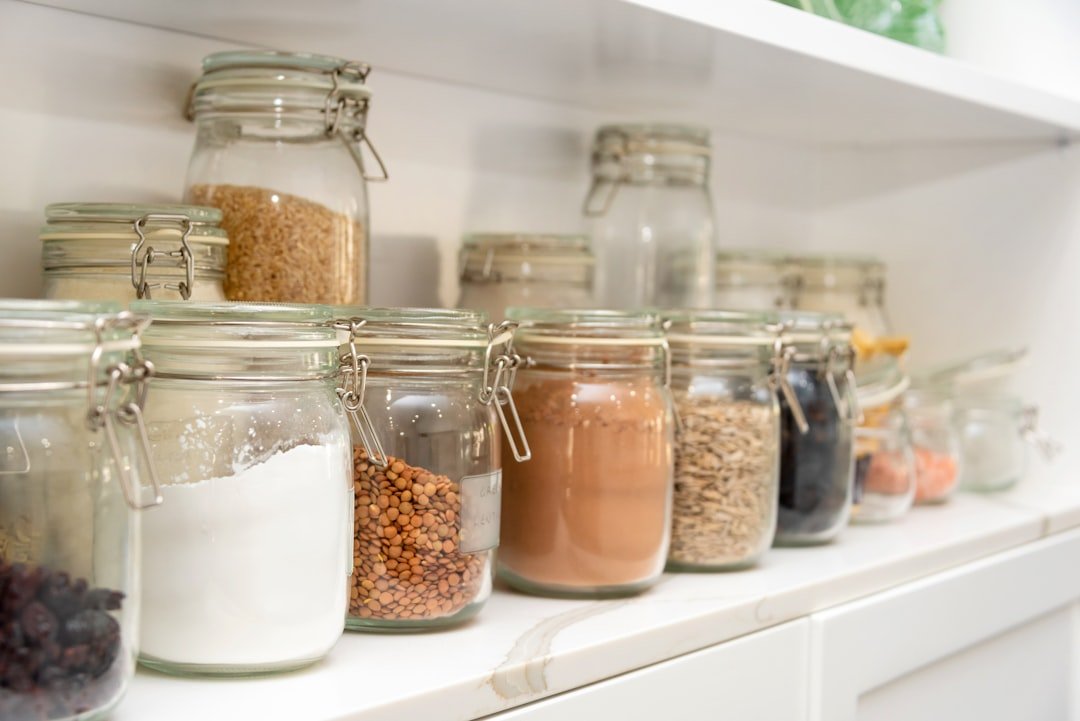
The fastest pasta dinners come from a stocked kitchen. Keep a couple of dried shapes, canned tomatoes, garlic, olive oil, butter, black pepper, and a wedge of parmesan on hand and you can always put something together. A jar of pesto, a bag of frozen peas, and a package of frozen shrimp cover most of the recipes above on a night when you have not shopped.
If your cupboards are bare on a given night, our 15-minute meals list is a handy backup plan.
Quick pasta is forgiving. These swaps keep the spirit of each dish without changing how it cooks.
Under-salting the water. Pasta absorbs seasoning only while it cooks. Water that tastes pleasantly salty gives the whole dish a baseline of flavor that sauce alone cannot supply.
Rinsing the pasta. Rinsing washes away the surface starch that helps sauce cling. Only rinse if you are making a cold pasta salad.
Overcooking the pasta. It keeps softening in the pan once combined with the sauce, so pull it when it still has a little bite.
Adding cheese over high heat. Hot pans make cheese seize and turn grainy. Take the pan off the burner and stir the cheese in gently with a splash of pasta water.
Crowding the pan. Shrimp and sausage steam instead of browning if packed too tightly. Use a wide skillet, or work in batches.
Dumping all the pasta water at once. Add it a splash at a time. You can always loosen a sauce, but it is hard to thicken one that went in too thin.
You do not need much. A large pot with a lid gets the water boiling sooner and gives the pasta room to move. A wide, deep skillet suits the one-pan and sausage dishes. A pair of tongs lifts pasta straight from the water into the sauce, bringing along some of that starchy liquid. A fine grater makes quick work of parmesan and lemon zest, and a heatproof mug is perfect for reserving pasta water.
Pasta is best fresh, but leftovers keep well if you handle them safely. Refrigerate cooked pasta dishes within two hours of cooking, in a shallow, covered container so they cool quickly. As a general rule, eat leftovers within three to four days. Dishes containing shrimp are best eaten sooner, ideally within a day or two.
Reheat leftovers until they are steaming hot all the way through, adding a splash of water or broth to loosen sauces that have thickened in the fridge. Do not reheat the same portion repeatedly. If you want to get ahead, prep the sauce components, grate the cheese, and chop the vegetables in advance, then cook the pasta fresh when you are ready to eat. For bigger batches designed to be made once and baked later, try our dump-and-bake pasta bakes.
Most of these dishes are complete on their own, but a simple side makes the meal feel finished. A green salad with a sharp lemon dressing cuts through richer sauces like garlic butter and cacio e pepe. Roasted or steamed broccoli, green beans, or asparagus adds color. Warm crusty bread is handy for mopping up whatever sauce is left on the plate. For the sausage skillet, a crisp cucumber and tomato salad balances the heat nicely.
Not reducing the sauce enough before combining with pasta, or adding too much pasta water at once. Add it a splash at a time. Also make sure the pasta is not rinsed, since leftover starch on its surface helps thicken and bind the sauce as you toss everything together.
Short shapes like penne or fusilli hold chunky sauces better. Long shapes like spaghetti work best with smoother sauces like cacio e pepe or garlic butter. Follow the package directions for cooking time, since shapes differ.
Refrigerate within two hours of cooking and eat within three to four days. Seafood dishes like the shrimp pasta are best eaten within a day or two. Reheat until steaming hot throughout, adding a splash of water if the sauce has thickened.
Partly. Prep sauce ingredients, grate cheese, and chop vegetables ahead, but cook the pasta shortly before serving for the best texture. Pasta tossed in sauce and stored overnight absorbs liquid and turns soft, so expect to loosen it when reheating.
Fast does not have to mean boring. With a stocked pantry, a lid on the pot, and a mug of pasta water in reach, any of these six dinners can be on the table in about 20 minutes. Pick one this week, learn its rhythm, and it will become a reliable part of your routine.
visibility60+
 visibility120+
 visibility420+