 visibility60+
See Complete Recipe
arrow_right_alt
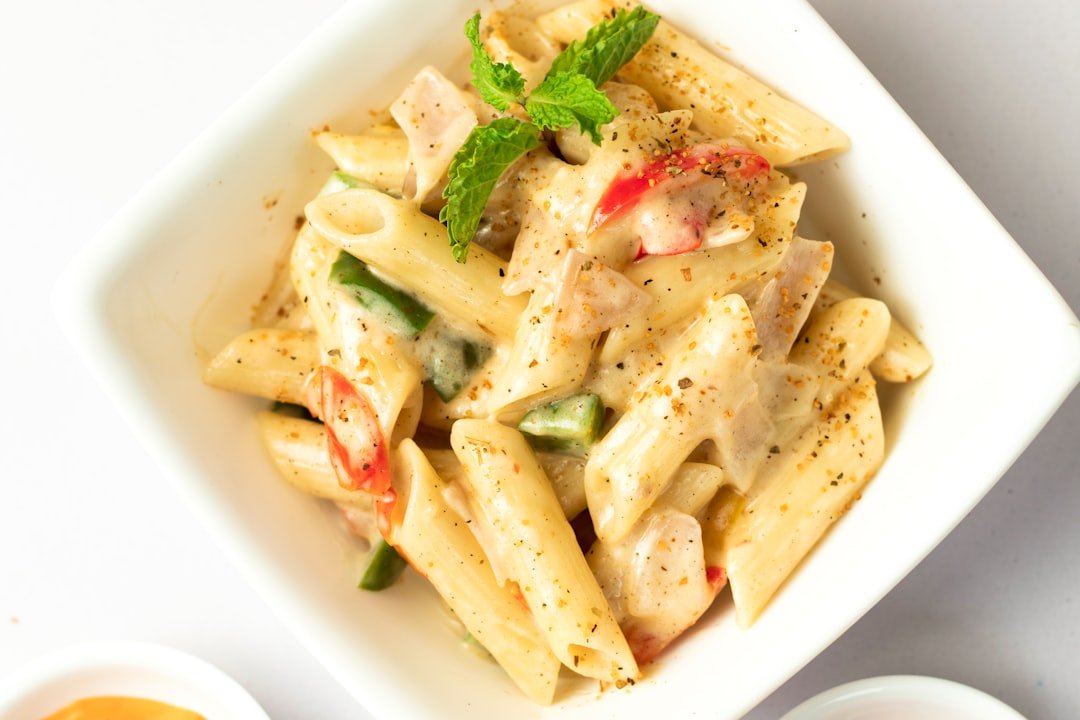
Heavy cream is not always in the fridge, and honestly it is not always necessary either. These pasta recipes get a creamy texture from milk, cheese, yogurt, or starchy pasta water instead.
If you want creamy pasta without heavy cream, the good news is that you already own most of what it takes. This guide walks through six dependable methods, the technique that makes them all work, smart substitutions, common mistakes, and how to store leftovers safely.
Creaminess in pasta is mostly about emulsion, not just fat. When starch from the cooking water, a little fat, and something that melts or blends smoothly come together, they form a glossy sauce that clings to every strand. Heavy cream is simply the easiest shortcut to that texture because it is already an emulsion with plenty of fat to forgive mistakes.
Without it, you rely on technique. Cheese, milk, yogurt, cottage cheese, cream cheese, and ricotta each bring protein and fat in different amounts, and starchy water ties everything together. Once you understand that, you can improvise with what is on hand instead of running to the store. If you like quick pasta nights, our easy pasta recipes ready in 20 minutes or less pair well with these sauces.
Butter, parmesan, and starchy pasta water whisked together off the heat. No cream at all, and it is one of the creamiest textures on this list.
This is the purist option and it rewards patience. Keep the pan off direct heat while you work the cheese in, and add the pasta water gradually so you can steer the sauce toward the thickness you like. Freshly grated cheese melts far more smoothly than the pre-shredded kind, which is coated to prevent clumping.
Whole milk thickened slightly with a spoonful of flour cooked into butter first, then parmesan stirred in at the end.
Cooking the flour in the butter for a short moment removes the raw taste and gives the milk something to thicken against. Stir steadily as the milk goes in to avoid lumps, and add the parmesan only once the sauce has stopped bubbling so it melts instead of turning stringy.
Stir yogurt in off the heat, never while the pan is still boiling, or it can split and turn grainy.
Full-fat yogurt is the most forgiving choice. Bring the yogurt closer to room temperature before it goes in, and loosen the sauce with a splash of pasta water. The tang pairs especially well with garlic, lemon, herbs, and roasted vegetables.
Blended smooth, cottage cheese makes a genuinely creamy, higher protein base for a tomato or garlic butter sauce.
Blend it thoroughly so no curds remain, then warm it gently rather than boiling it. Because cottage cheese is mild and slightly salty, season at the end and taste before adding any extra salt.
A few tablespoons of cream cheese melted into the pasta water and sauce gives richness without needing a full cup of cream.
Soften the cream cheese first so it dissolves quickly. It is a great shortcut for a weeknight and plays nicely with garlic, spinach, sun-dried tomatoes, or cooked chicken.
Thinned with a splash of pasta water, ricotta turns into a light, creamy sauce that coats pasta without feeling heavy.
Whole milk ricotta gives the best texture. Fold it through warm pasta off the heat, add lemon zest or fresh herbs for brightness, and finish with black pepper. It is also an excellent base for baked pasta dishes.
Always save a cup of pasta water before draining. Starchy water is what actually binds butter and cheese into a sauce instead of a greasy, separated mess.
Scoop it out just before the pasta is drained, since the water gets starchier the longer the pasta cooks. Use a mug or a heatproof measuring cup so you do not forget. Add it a little at a time while tossing the pasta in the sauce, and stop as soon as the sauce looks glossy and coats the back of a spoon. If the sauce tightens as it sits, a small splash will loosen it again. Cooking the pasta in a slightly smaller amount of water than usual makes the water starchier and the sauce silkier.
Every sauce here is flexible. Swap the dairy that suits your fridge, but keep in mind that each ingredient behaves differently under heat.
Whole milk can stand in for half-and-half if you are willing to simmer the sauce a little longer. Mascarpone can replace cream cheese for a milder, sweeter result. Sour cream behaves much like Greek yogurt and should also be added off the heat. Pecorino romano can replace parmesan for a sharper, saltier flavour, so taste before adding extra salt. For a lighter option, use lower-fat dairy, but expect a thinner sauce that needs more pasta water and more gentle heat. If you avoid dairy, cashew cream or a thick unsweetened plant milk can work in some sauces, though the texture and flavour will differ.
Want more protein or vegetables? Look at our healthy pasta recipes that sneak in extra protein and veggies for ideas that suit these sauces.
The most frequent problem is heat. Dairy-based sauces split when they are boiled or when cold dairy hits a very hot pan. Take the pan off the burner before adding yogurt, cottage cheese, or ricotta, and bring cold ingredients closer to room temperature if you can.
The second mistake is draining all the pasta water away. Without it, cheese clumps and butter pools. The third is using pre-shredded cheese, which contains anti-caking agents that make sauces grainy. The fourth is over-salting early: parmesan, pecorino, and cottage cheese all add salt, so season at the end. Finally, do not let the finished dish sit too long on the stove, because the sauce keeps thickening as the starch cools and sets.
You do not need special gear, but a few tools help. A wide, deep skillet gives you room to toss pasta in the sauce and finish cooking it there. A whisk or a wooden spoon helps emulsify butter, cheese, and starchy water. A fine grater produces cheese that melts almost instantly. A blender or immersion blender is useful for cottage cheese and ricotta sauces that should be completely smooth. Finally, a heatproof measuring cup keeps the pasta water within reach.
Creamy pasta pairs well with something fresh and sharp. Serve it with a simple green salad dressed in lemon, a handful of peppery arugula on top, or roasted broccoli, asparagus, or cherry tomatoes on the side. Add protein with grilled chicken, sauteed shrimp, or white beans. Finish bowls with black pepper, lemon zest, a little extra grated cheese, and chopped fresh parsley or basil. For something heartier, take a look at our one-pot pasta recipes that skip the draining or our dump-and-bake pasta bakes when you want less cleanup.
Creamy pasta is best eaten fresh, but you can prepare parts ahead. Grate the cheese, measure out the dairy, and cook any vegetables or protein earlier in the day. Cook and sauce the pasta just before serving for the best texture.
For leftovers, cool the pasta promptly and refrigerate it in a shallow, airtight container within two hours of cooking. Eat refrigerated leftovers within three to four days. Reheat gently on the stove with a splash of milk or water, stirring often, until it is steaming hot all the way through; the safe target for leftovers is 165 degrees Fahrenheit (74 degrees Celsius). Avoid reheating the same portion more than once. Dairy sauces, especially yogurt and cottage cheese versions, can separate when frozen, so freezing is not recommended. If you want freezer-friendly dinners, see our freezer meal prep recipes instead.
Yes, though the sauce will be thinner. Reduce it a bit longer on the stove to compensate. Half-and-half has less fat than cream, so keep the heat gentle to avoid curdling, and finish with a little extra grated cheese or a splash of starchy pasta water to restore body and shine.
Usually added while the pan was too hot. Pull the pan off direct heat before stirring in dairy that has not been cooked with heat before. Using full-fat dairy, letting it warm slightly first, and adding a splash of pasta water also helps keep the sauce smooth.
Cacio e pepe style sauce and cream cheese pasta are usually the creamiest, because butter, cheese, and starchy water form a rich emulsion. Blended cottage cheese and ricotta are close behind, and add extra protein. Which one you prefer depends on whether you want sharp, tangy, or mild.
You can get close with cashew cream, a thick unsweetened plant milk, or a dairy-free cream cheese, plus plenty of starchy pasta water and nutritional yeast for savoury depth. The flavour and texture will differ from dairy versions, so start with small amounts and adjust to taste as you go.
visibility60+
 visibility120+
 visibility420+