 visibility60+
See Complete Recipe
arrow_right_alt
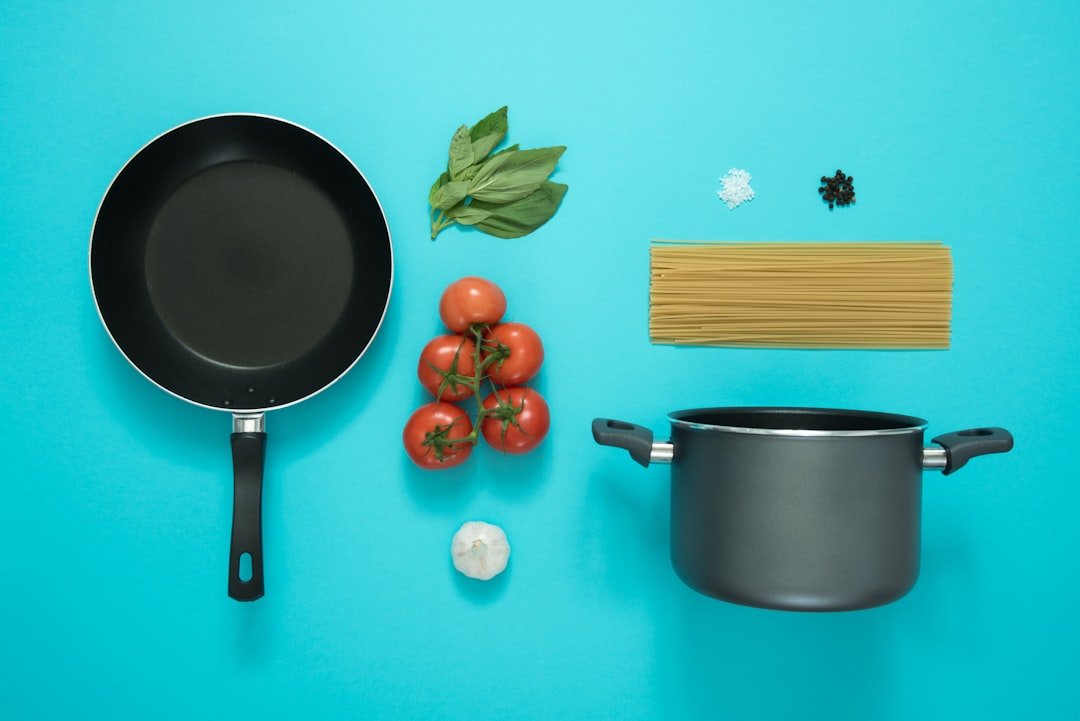
Yes, you can cook dried pasta directly in its sauce, and the result is better than the drained version. The pasta releases its starch into a measured amount of liquid instead of into a pot you pour down the sink, so the sauce thickens and clings on its own. One pan, no colander, about 20 minutes. Memorize the ratio below and the ten versions that follow are all variations on the same move.
Use 1 cup of liquid for every 3.5 ounces of dried pasta. In metric that is 250 ml per 100 g, which is the easier number to scale. Everything counts toward the liquid total: stock, water, the juice from a can of tomatoes, milk, or wine.
Everything goes into a wide pan cold. Bring it to a boil, then drop to a lively simmer and stir every couple of minutes for 10 to 12 minutes, until the pasta is cooked and the liquid has turned into a sauce that coats the back of a spoon. If the pan looks dry before the pasta bends to the bite, add a splash of hot water. If it looks soupy at the end, keep it uncovered over higher heat for another minute or two and it will tighten up fast.
A wide shallow pan works better than a tall pot. More surface area means the liquid reduces at the rate the pasta cooks, which is the entire trick. I use a 12-inch skillet with a lid for anything up to a pound of pasta.
| Shape | Simmer time | Notes |
|---|---|---|
| Penne, rigatoni, fusilli | 11 to 13 min | Most forgiving, hold their shape |
| Orecchiette, shells | 12 to 14 min | Catch chunky sauces well |
| Spaghetti, linguine | 9 to 11 min | Swirl into the pan as it softens |
| Angel hair, fresh pasta | Not recommended | Cooks before the sauce reduces |
Check the box time and start tasting two minutes before it. Brands differ more than shapes do, and whole wheat pasta usually needs an extra minute and a little more liquid because the bran absorbs more.
Too much liquid is the most common one. You get noodle soup, and reducing it afterward overcooks the pasta. Measure the first few times rather than pouring by eye.
Skipping the early stirring is the second. In the first five minutes the pasta sheds its surface starch and will weld itself into a raft on the bottom of the pan if left alone. After that it mostly behaves.
Adding dairy while it is still boiling is the third. Cheese, cream, and mascarpone split under a hard boil. Pull the pan off the heat, wait 30 seconds, then stir them in.
The ratio scales cleanly up to about a pound of pasta in a 12-inch pan. Past that the layer gets too deep, the bottom scorches, and the top steams, so use two pans or a Dutch oven. Doubling does not double the time; it adds a minute or two at most.
One-pot pasta keeps absorbing liquid in the fridge, so leftovers firm up overnight. Reheat with a few tablespoons of water or milk in a covered pan over low heat and stir until it loosens. If you are cooking a batch specifically to freeze, pull it two minutes early and see freezer meal prep for reheating that does not turn pasta to mush.
Yes. With the liquid measured at about 1 cup per 3.5 ounces of dried pasta, it cooks through in 10 to 12 minutes and the starch it releases thickens the sauce. The main difference from the drained method is that you control the liquid from the start instead of adding pasta water back at the end.
Short sturdy shapes such as penne, rigatoni, fusilli, and orecchiette are the most forgiving. Spaghetti works if you swirl it into the pan as it softens. Skip angel hair and fresh pasta, which finish before the sauce has reduced.
Usually too little liquid, no stirring in the first five minutes, or dairy added at a boil. Any of the three leaves you with paste instead of sauce. Add a splash of hot water, stir, and finish dairy off the heat.
Considerably less. A standard pot takes four to six quarts for a pound of pasta, while the one-pot method uses about four and a half cups for the same amount, and all of it ends up in the dish rather than the drain. It also heats faster, which saves a few minutes on the stovetop.
These belong in the same mental folder as our quick weeknight dinners and 15-minute meals. If you would rather the oven did the work, dump-and-bake pasta recipes apply the same no-draining principle without standing at the stove.
visibility60+
 visibility120+
 visibility420+