 visibility60+
See Complete Recipe
arrow_right_alt
Looking for easy recipes for home cooks that do not demand fancy skills or a pantry full of specialty items? You are in the right place. This guide pulls together the ideas, habits, and shortcuts that make everyday cooking feel manageable, from breakfast through dinner, and points you to the recipes on our site that put them into practice.
nnnnCooking at home should be a delightful experience, filled with creativity and joy. At The Recipe Corner, we believe that everyone can make delicious meals with everyday ingredients. Our aim is to inspire and empower all home cooks, regardless of their skill levels, to experiment in the kitchen with our easy recipes.
Home cooking also tends to be cheaper and more flexible than relying on takeout. You control the salt, the portion size, and the ingredients, and you can adjust a dish to suit whoever is sitting at the table. The sections below walk through how to make that routine work for you.
An easy recipe is not necessarily a short one. It is a recipe where the steps are clear, the ingredients are familiar, and there is little that can go badly wrong. When you are choosing what to cook, look for a few telltale signs.
First, a short ingredient list built from things you can find in any supermarket. Second, techniques you already know, such as sauteing, roasting, or simmering. Third, forgiving timing, meaning a dish that does not fall apart if the phone rings while it cooks. Soups, sheet pan meals, and baked pasta are good examples. Finally, look for recipes that use one pot or one pan, because cleanup is part of the effort too.
If you like the one-pan approach, our guide to one pot meals that save your weeknights shows how far a single pot can go, and the collection of sheet pan dinners does the same for the oven.
Start your day on the right note with simple breakfast recipes. Whether you’re in the mood for fluffy pancakes, nutritious smoothies, or wholesome oatmeal, we have a variety of recipes to help you kickstart your morning. Everything on our site is curated to ensure that your mornings are filled with flavor without taking too much time.
A few habits make weekday breakfasts easier. Decide the night before what you will eat, set out the bowl or blender, and keep a couple of reliable staples on hand, such as oats, eggs, yogurt, and fruit. Mornings go more smoothly when there is nothing to decide. If you want breakfasts that carry you through to lunch, see our ideas for healthy breakfasts that keep you full.
After a long day, the last thing you want is to struggle in front of the stove. Our quick dinner recipes are tailored to provide you with healthy, hearty meals prepared in under 30 minutes. From stir-fries to one-pot wonders, enjoy a stress-free cooking experience while serving up dishes that your family will love.
The trick to fast dinners is preparation rather than speed. Read the recipe through before you turn on the heat, chop your vegetables first, and have sauces measured and ready. This small habit, often called mise en place, keeps you calm and prevents the common problem of burning one ingredient while you hunt for another.
For a long list of options, browse our quick dinner ideas for busy weeknights, or try the easy pasta recipes when you want something comforting and fast.
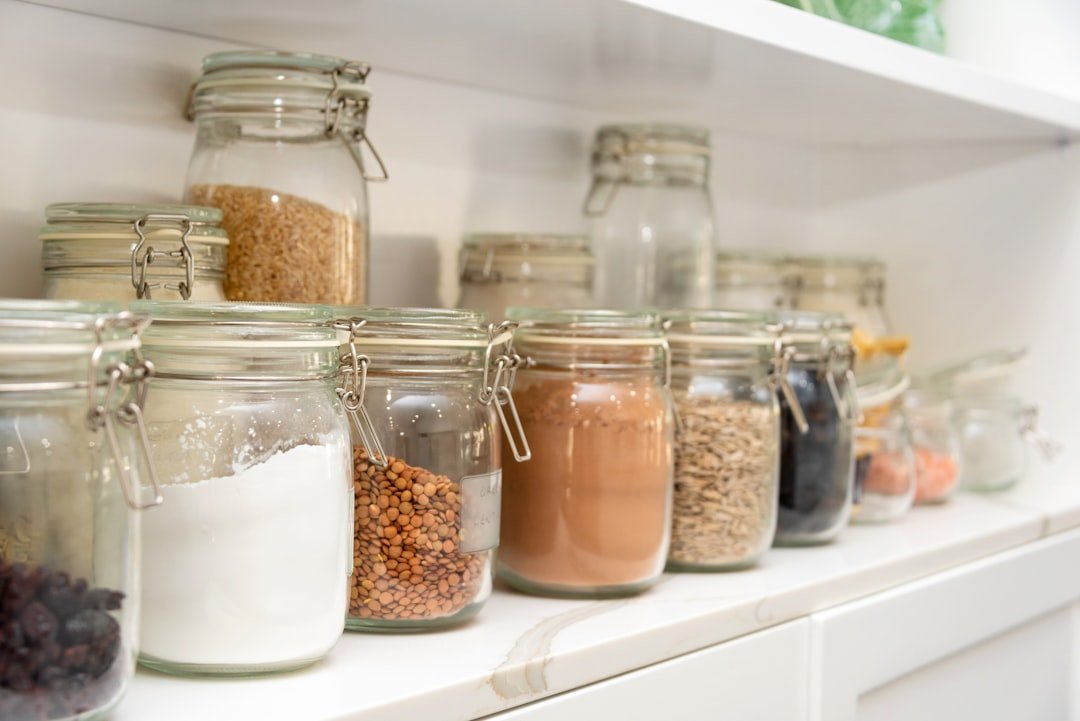
A well-stocked pantry is the quiet secret behind most easy meals. You do not need much, but the right staples turn a random assortment of ingredients into dinner.
Useful dry goods include rice, pasta, oats, canned tomatoes, canned beans, and stock. Flavor builders such as garlic, onions, olive oil, vinegar, soy sauce, and a few dried herbs and spices go a long way. In the fridge and freezer, eggs, butter, a block of cheese, and frozen vegetables mean you are rarely more than a few minutes from a decent meal.
Build the pantry gradually. Each time you cook something new, buy the one or two items you are missing and you will find your shelves quietly filling with things you actually use.
You can cook very well with a short list of tools. A sharp chef knife and a stable cutting board matter more than any gadget. Beyond that, a large skillet, a medium saucepan, a stockpot, a rimmed baking sheet, and a baking dish cover most recipes you will meet.
A few inexpensive extras help too: a set of measuring cups and spoons, a wooden spoon, tongs, a colander, and a reliable instant-read thermometer. The thermometer is especially useful for meat and poultry, because it takes the guesswork out of knowing whether food is cooked safely. Always follow the doneness guidance given in the recipe you are using.
Almost every cook makes the same handful of errors early on. Knowing them in advance saves a lot of frustration.
One is crowding the pan. When too much food goes in at once, it steams instead of browning, and you lose flavor and texture. Cook in batches if you need to. Another is skipping the seasoning step: taste as you go and adjust, because a dish that seems flat often needs only a pinch of salt or a squeeze of lemon or vinegar.
Rushing the preheat is another common slip. Ovens and pans need time to come up to temperature, and food added too early cooks unevenly. Finally, many beginners ignore the recipe until it is too late. Read everything first, gather the ingredients, and follow the steps in order, especially the amounts and times given.
Cooking once and eating twice is one of the best ways to make home cooking sustainable. Soups, stews, pasta sauces, and grain dishes all reheat well. Let hot food cool a little, then move it into shallow containers and refrigerate promptly rather than leaving it out on the counter for long.
As a general rule, most cooked leftovers keep for three to four days in the fridge. Freeze portions you will not eat in that window, and label them with the date. When reheating, bring food until it is steaming hot all the way through, and do not reheat the same portion repeatedly. If you are unsure whether something is still good, it is safest to throw it out.
If you want a system for this, our beginner meal prep guide explains how to prepare several meals in a single session.
Running out of one ingredient does not have to cancel dinner. Many swaps work well in casual home cooking. Yogurt can stand in for sour cream, and a different hard cheese can replace the one named. Spinach can replace kale, and any similar firm vegetable can take the place of another in a stir-fry or roast. Chicken stock and vegetable stock are usually interchangeable in soups and sauces.
Be more careful in baking, where ingredients play chemical roles and swaps can change the result. For everyday cooking, though, a little flexibility makes you more relaxed and more creative. When you do swap, keep the rest of the recipe, including amounts and cooking times, exactly as written.
Don’t forget to check out our section on helpful kitchen tips to improve your culinary skills even further! Visit us at The Recipe Corner, where home cooking becomes a creative and enjoyable journey.
Start with dishes that use few ingredients and forgiving techniques, such as scrambled eggs, simple pasta with a quick sauce, sheet pan roasted vegetables with chicken, and soups. These build confidence in basic skills like seasoning, timing, and heat control without requiring special equipment or complicated steps.
Plan your meals ahead, read the recipe fully before starting, and prepare ingredients before turning on the heat. Choose one-pan or one-pot dishes to reduce cleanup, and keep staples like pasta, rice, and frozen vegetables on hand so you can assemble a meal without an extra shopping trip.
Most cooked leftovers stay good for three to four days when cooled promptly and stored in covered containers in the refrigerator. Freeze anything you will not finish in that time. Reheat food until steaming hot throughout, and discard anything that smells or looks off, or that you are unsure about.
No. A sharp knife, a cutting board, a skillet, a saucepan, a baking sheet, and a few basic utensils cover most recipes. Add an instant-read thermometer for safety with meat and poultry. Specialty gadgets can wait until you know which ones you would truly use often.
nn
visibility60+
 visibility120+
 visibility420+