 visibility60+
See Complete Recipe
arrow_right_alt
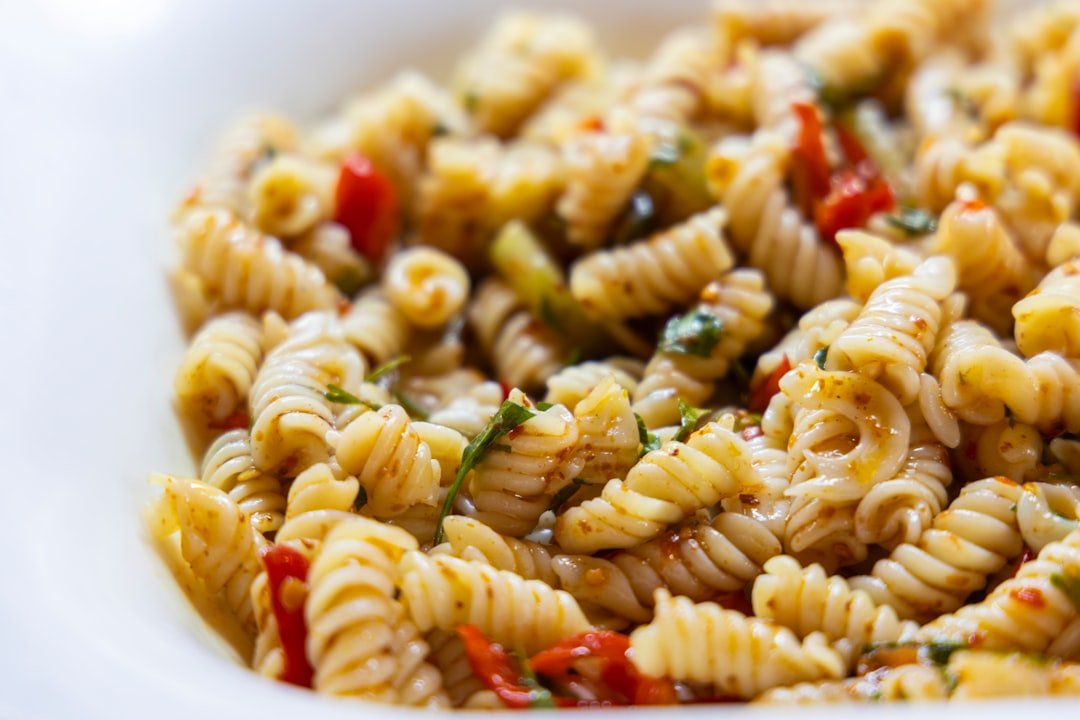
Pasta has a reputation as an empty-carb dinner, and a plain bowl with jarred sauce does leave you hungry an hour later. A few changes fix that. Add a proper source of protein, get a couple of cups of vegetables into the sauce, and the same bowl keeps you full through the evening while still tasting like pasta.
Here are six healthy pasta recipes I cook for my family, including my picky eater, followed by the tricks for hiding vegetables and a few notes on choosing pasta.
I look at three things. Each serving should have a real protein, like meat, fish, beans, lentils or dairy, so the meal isn’t mostly starch. There should be at least as much vegetable as pasta by volume, even if you can’t see it. And the portion of pasta itself should be sensible, about 2 ounces dry per person, with the sauce and vegetables filling out the bowl. You don’t need special noodles or a low-fat sauce for any of this.
Soften a finely chopped onion, a grated carrot and a finely chopped celery stalk in olive oil for about eight minutes. Add a pound of ground turkey and brown it, breaking it up as it cooks. Stir in a 28-ounce can of crushed tomatoes, a spoon of tomato paste, oregano and salt, and simmer for 25 minutes. The carrot and celery melt into the sauce and add sweetness, so nobody notices them. Serve over spaghetti or rigatoni with parmesan.
Warm three sliced garlic cloves in olive oil, then add a drained can of cannellini beans and a ladle of pasta water. Mash about a third of the beans with a fork so they thicken the sauce into something creamy. Stir in a few big handfuls of baby spinach until it wilts, then toss with short pasta, lemon zest and parmesan. One can of beans adds roughly 20 grams of protein and plenty of fiber to the pot.
Make the sauce with milk instead of heavy cream. Melt two tablespoons of butter, whisk in two tablespoons of flour, and cook for a minute. Slowly whisk in two cups of milk and simmer until thick, then take it off the heat and stir in a cup of grated parmesan. Toss with fettuccine, sliced cooked chicken breast and broccoli cooked in the pasta water for the last three minutes. It’s creamy and filling, with far less fat than the restaurant version.
Use the same base as the turkey bolognese, but swap the meat for a cup of dried brown or green lentils and add two cups of water or broth with the tomatoes. Simmer for 30 to 35 minutes until the lentils are soft. The lentils have a texture close to ground meat and soak up the sauce the same way. It costs very little, and the leftovers are even better the next day.
Sauté a pound of peeled shrimp in olive oil with garlic and chili flakes for two to three minutes until pink, then set them aside. In the same pan, cook two grated or spiralized zucchini for just a minute or two with a squeeze of lemon. Add the zucchini at the end, because it releases water if it cooks too long. Toss with linguine, the shrimp and a splash of pasta water. The zucchini doubles the volume of the bowl without much extra effort.
Blend a cup of cottage cheese until smooth and use it in place of some or all of the ricotta in a baked pasta. Mix it with cooked penne, marinara, chopped spinach and a little mozzarella, top with more mozzarella, and bake at 375°F for 20 to 25 minutes. Blended, the cottage cheese is almost impossible to tell apart from ricotta, and it has more protein.
Picky eaters usually object to chunks they can see, not the taste. Grate carrots and zucchini on the small holes of a box grater, or chop onions and peppers very finely, and cook them down in the sauce for at least 15 minutes. In a red sauce the color blends in completely. Pureed roasted red pepper or butternut squash can also go into a cream or cheese sauce without changing its color much.
Frozen vegetables help on busy nights. Peas, spinach and chopped broccoli can go straight into the pasta pot for the last few minutes of boiling, so they cook with no extra pan.
Whole wheat pasta has more fiber than regular pasta and a nuttier, firmer texture. It works best with hearty sauces like the bolognese. Chickpea and lentil pastas have much more protein, often close to twice as much as wheat pasta, but they get soft quickly, so cook them a minute under the package time. If your family won’t eat either, a half-and-half mix with regular pasta is a good way to start.
For quicker versions, see our 20-minute pasta recipes and creamy pasta without heavy cream. If you want the same balance with a shorter shopping list, try our healthy 3-ingredient meals.
These recipes are forgiving, so swap freely based on what is in your kitchen or what your family eats. Ground chicken or lean ground beef can replace the ground turkey in the bolognese. Chickpeas or any other canned white bean can stand in for cannellini beans. Kale, chard or frozen chopped spinach work in place of baby spinach, though sturdier greens need a few extra minutes in the pan to soften.
For the lighter alfredo, any milk you have on hand will work, and a little cream cheese stirred in at the end makes it silkier. Swap the chicken for cooked shrimp, white beans or tofu if you prefer. In the shrimp pasta, cooked chicken sausage or even canned tuna can replace the shrimp. If someone avoids dairy, nutritional yeast or a dairy-free parmesan-style cheese can stand in for the grated cheese, and the cottage cheese bake can use blended silken tofu instead. Gluten-free pasta works in every recipe, but check the package for cooking times, because gluten-free shapes often go soft quickly.
Both bolognese sauces are ideal for making ahead. They taste better after a night in the fridge, and they freeze well in portions, so doubling the batch is easy. Cook the pasta fresh when you are ready to eat, because pasta that sits in sauce keeps absorbing it and turns soft. If you do have to prep everything at once, undercook the pasta slightly and finish it in the reheated sauce.
Cool leftovers quickly and get them into the fridge within two hours of cooking. Store them in shallow airtight containers and eat them within 3 to 4 days. Freeze sauces and the baked pasta in single portions for up to about three months, and thaw them overnight in the fridge. Reheat until steaming hot all the way through, adding a splash of water or milk to loosen the sauce. Dishes with shrimp are best eaten within a couple of days and are better made fresh, since seafood does not reheat as gently. The cream-based alfredo can separate when frozen, so keep that one for the fridge only. For more recipes that freeze well, see our freezer meal prep recipes.
A simple green salad with lemon and olive oil rounds out almost any pasta on this list and adds one more portion of vegetables. Roasted broccoli, green beans or a tray of cherry tomatoes make an easy side while the pasta water comes to a boil. A slice of crusty bread helps with the sauce, and a spoon of fresh basil or parsley stirred in at the end brightens the flavor without any extra effort.
For a family dinner, I put the pasta, sauce and toppings in separate bowls and let everyone build their own plate. Kids who refuse mixed dishes often eat more this way. If you want a lighter dinner, serve a smaller scoop of pasta over a bed of sauteed greens, or add a side of white beans. For a complete weekly plan with similar balance, our quick dinner ideas for busy weeknights has more options.
The most common problem is under-salted pasta water. Pasta cooked in plain water tastes flat no matter how good the sauce is, so salt the water well, until it tastes lightly seasoned. The second is draining all of the cooking water. Keep a cup of it aside, because the starch in it helps sauce cling to the noodles and loosens thick sauces without watering them down.
Other mistakes are easy to avoid. Do not rinse cooked pasta unless you are making a cold salad, since rinsing removes the starch that holds sauce. Do not overcook the vegetables that go in at the end, such as zucchini and spinach, or the dish turns watery. Do not crowd the pan when browning meat, as it will steam instead of browning and lose flavor. And finish the pasta in the sauce for a minute before serving, so the flavors come together instead of sitting on top of plain noodles.
If you cook for a busy household, you may also like our one-pot pasta recipes for nights when you want fewer dishes.
Grated carrot and zucchini cooked down in a red sauce are very hard to spot, by taste or by sight. Start with small amounts and increase them over a few weeks. Chop finely, cook the vegetables until completely soft, and let the sauce do the work of hiding them.
Yes. It adds fiber on top of the protein and vegetables. The texture is heartier than regular pasta, so it suits the bolognese and the baked dishes best. For lighter sauces, try a half-and-half mix with regular pasta, and follow the package time since whole wheat can take a little longer.
Pasta can fit into most eating plans. Keeping the portion to about 2 ounces dry per person and filling the rest of the bowl with protein and vegetables makes a satisfying dinner without a huge amount of refined carbohydrate. If you follow a specific plan for health reasons, check with your doctor or dietitian.
Keep it in a sealed container in the fridge for up to 3 to 4 days. Add a splash of water or milk before reheating, because pasta keeps absorbing the sauce as it sits. Reheat until steaming hot throughout, and store sauce and pasta separately when you can for the best texture.
visibility60+
 visibility120+
 visibility420+