 visibility60+
See Complete Recipe
arrow_right_alt
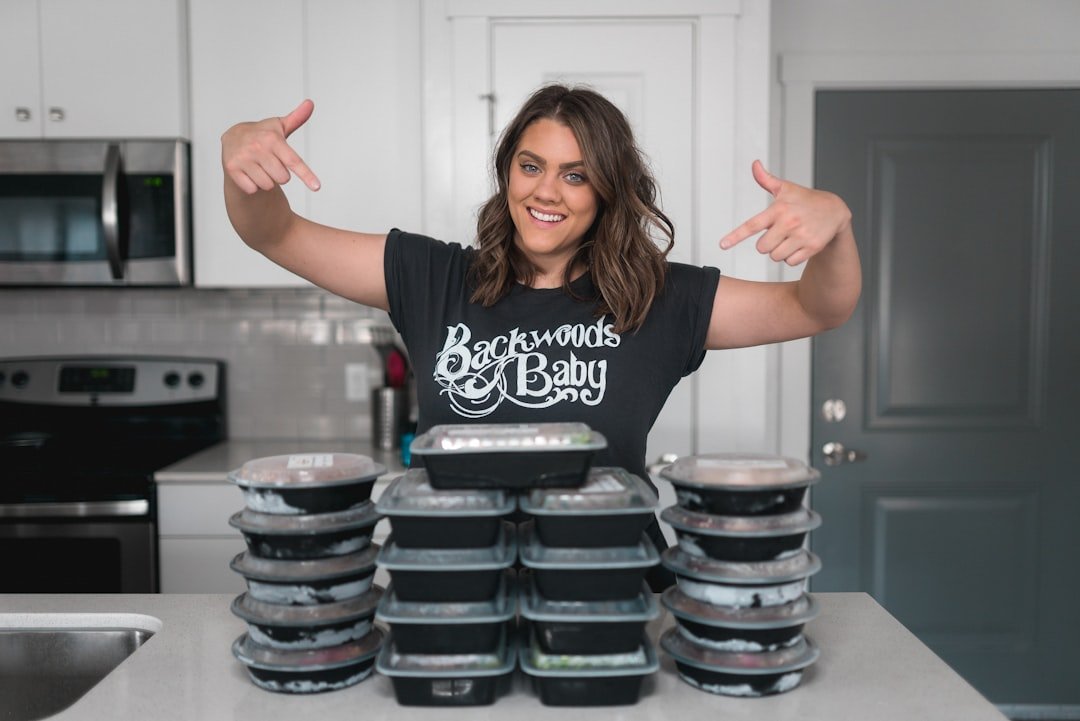
My freezer has a permanent section reserved for nights I know I will not have the energy to cook from scratch. These recipes freeze and reheat well, which not every dinner actually does.
Freezer meal prep recipes turn one productive hour into several stress-free dinners. Below you will find six dependable ideas, plus the freezing, thawing and storage habits that keep them tasting good and safe to eat.
Wrap tightly in foil before freezing. Reheat from frozen in the microwave, unwrapped from foil first, for about 2 to 3 minutes.
Assemble unbaked, freeze, then bake from frozen with extra time added, roughly 1.5 times the normal bake time.
Freeze uncooked meatballs on a tray first before transferring to a bag, so they do not stick together into one large clump.
Soups with cream freeze less well than broth-based ones, which can separate slightly on reheating. Broth-based soups freeze cleanly.
Cooked and seasoned, then portioned flat in freezer bags so it thaws faster and stacks easily.
Egg, cheese, and English muffin assembled and wrapped individually, ready to microwave straight from frozen most mornings.
If you want a bigger plan around these dishes, our guide to meal prep for beginners shows how to organise a whole week of cooking, and the dump and bake casserole recipes pair nicely with the casserole idea above.
A good freezer meal starts before the freezer. These habits protect flavour and texture:
How you thaw matters as much as how you freeze. The safest method is overnight in the refrigerator, which keeps food at a safe temperature while it defrosts. Cold-water thawing in a sealed bag also works for smaller portions if you change the water regularly. Avoid leaving frozen food on the counter for hours.
Once reheated, food should be steaming hot all the way through before you eat it. Stir soups and sauces halfway through reheating so heat spreads evenly, and check the centre of thick dishes such as casseroles. Do not refreeze food that has been fully thawed and reheated. If a dish was thawed in the fridge and not yet cooked, many cooks are comfortable refreezing it, but quality drops each time, so it is best to plan portions to avoid the situation.
You do not need specialist gear, but the right containers make freezer prep easier:
Freezer recipes are flexible. These swaps keep the spirit of each dish while suiting what you have in the house:
Swaps change texture a little, so make a small test batch the first time before committing to a freezer full of something new.
Anything with raw vegetables like lettuce or cucumber, and dishes with a lot of cream, tend to separate or turn watery once thawed. Stick to broth, tomato, or dry-based dishes for the best results.
Other items that often disappoint include fried foods that rely on a crisp coating, which can turn soft, and dishes built around soft herbs that lose their freshness. When in doubt, freeze the base of a recipe and add fresh elements such as herbs, cheese or a squeeze of lemon after reheating.
The easiest way to build a freezer stash is to choose one afternoon and work in a sensible order. Start with the dishes that need the longest cooling time, such as soups and casseroles, so they can chill while you prepare the rest. Move on to the items that only need assembling, like breakfast burritos and sandwiches, and finish with anything that needs flash freezing on a tray.
Clear a little space in the freezer beforehand and make sure you have enough bags, containers and labels within reach. Wash your hands and work surfaces between raw and cooked ingredients, and keep raw meat separate from ready-to-eat foods the whole time. Cleaning as you go means the kitchen is already tidy when the last tray goes in.
Aim for variety rather than six portions of the same dish. A mix of breakfast, lunch and dinner options means you always have something that suits your mood, and you are far less likely to get bored of your own stash.
A freezer meal is easier to love with a fresh side. Serve the chicken and rice casserole with a green salad or steamed vegetables. Pile taco meat into tortillas, over rice or on top of baked potatoes and add fresh toppings such as lettuce, tomato and yoghurt. Meatballs work in sandwiches, with pasta or alongside mashed potatoes. Soup is excellent with crusty bread.
For lighter evenings, pair a frozen portion with something quick from our list of 15-minute meals, and for more crowd-pleasing dinners see these easy chicken dinner recipes. If you are building a protein-rich rotation, high protein meal prep ideas makes a helpful companion.
Most of these keep 2 to 3 months at good quality in a standard freezer, though they remain technically safe longer.
Not always. Soups and casseroles can go straight from freezer to oven or stovetop with extra time added, though thawing overnight in the fridge speeds up reheating.
Freezer burn comes from air reaching the food. Cool meals first, press out as much air as possible from bags, wrap items tightly in foil or freezer wrap, and use airtight containers. Keeping the freezer closed as much as you can and eating older meals first also helps protect quality.
Yes, in most cases. Cool leftovers quickly, store them in airtight containers or bags, and freeze them within a day or two of cooking rather than leaving them in the fridge for a long time. Label with the date, and reheat until steaming hot throughout when you are ready to eat.
visibility60+
 visibility120+
 visibility420+