 visibility60+
See Complete Recipe
arrow_right_alt

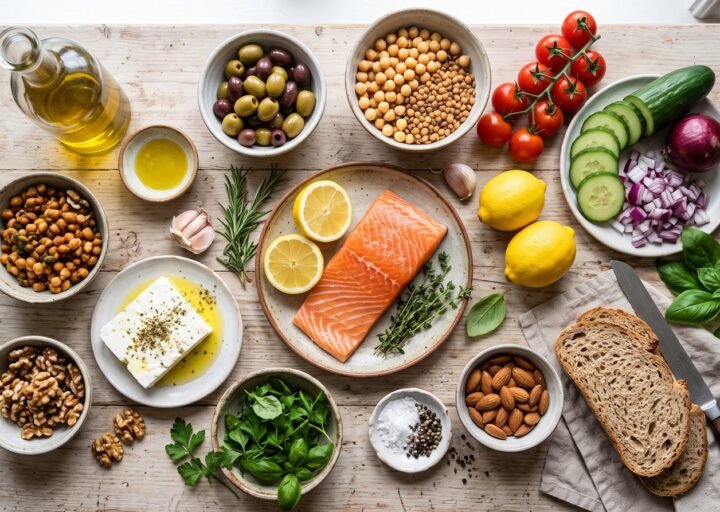
The Mediterranean diet is less a strict rulebook and more a pattern: vegetables, olive oil, fish and legumes more often than red meat, whole grains over refined ones. This week plan sticks to ingredients a regular grocery store carries.
This Mediterranean diet meal plan covers seven dinners, with a shopping list and prep notes so the week runs smoothly. Nothing here needs a specialty store, and every dinner can be adjusted to your budget, your household, and what is already in the cupboard.
\n\n\n\nThe pattern behind this Mediterranean diet meal plan is easy to remember once you see it. Vegetables and legumes fill most of the plate, olive oil is the main cooking fat, fish and poultry appear several times a week, and red meat is occasional rather than central. Dairy shows up as yogurt and cheese in modest amounts, and fruit is the usual dessert.
None of this requires counting or weighing. Think of it as a direction rather than a diet with a finish line: every meal that leans a little more toward vegetables, beans, and olive oil is a step the right way. For more dishes in the same spirit, browse our Mediterranean diet recipes for beginners.
A practical way to use the plan is to read through the week once before shopping, mark the nights that suit your schedule, and swap days freely. A busy Thursday can trade places with a relaxed Saturday, and the soup can move to any evening when you have the time to let a pot do its work.
This plan is general food inspiration, not medical advice. If you have allergies or a health condition that affects what you can eat, check the dinners against your own needs or ask your doctor or dietitian first.
Grilled chicken, orzo, cucumber, tomato, and a lemon dressing.
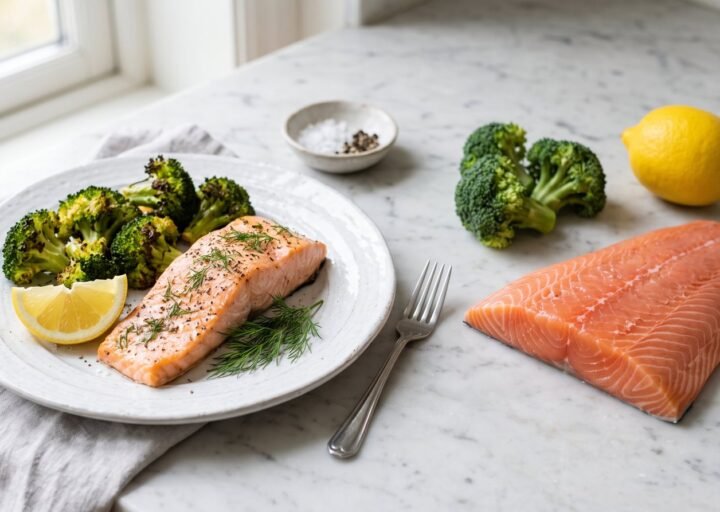
Salmon, olive oil, lemon, and whatever vegetables are in season.
A meatless night built on canned chickpeas, tomatoes, and whatever vegetables need using up.
Cucumber, tomato, olives, feta, and shrimp cooked simply with olive oil and garlic.
White beans add protein and fiber to a simple garlic and olive oil pasta.
Marinated chicken skewers, a side salad, and tzatziki sauce.
A big pot that also covers lunch leftovers into the following week.
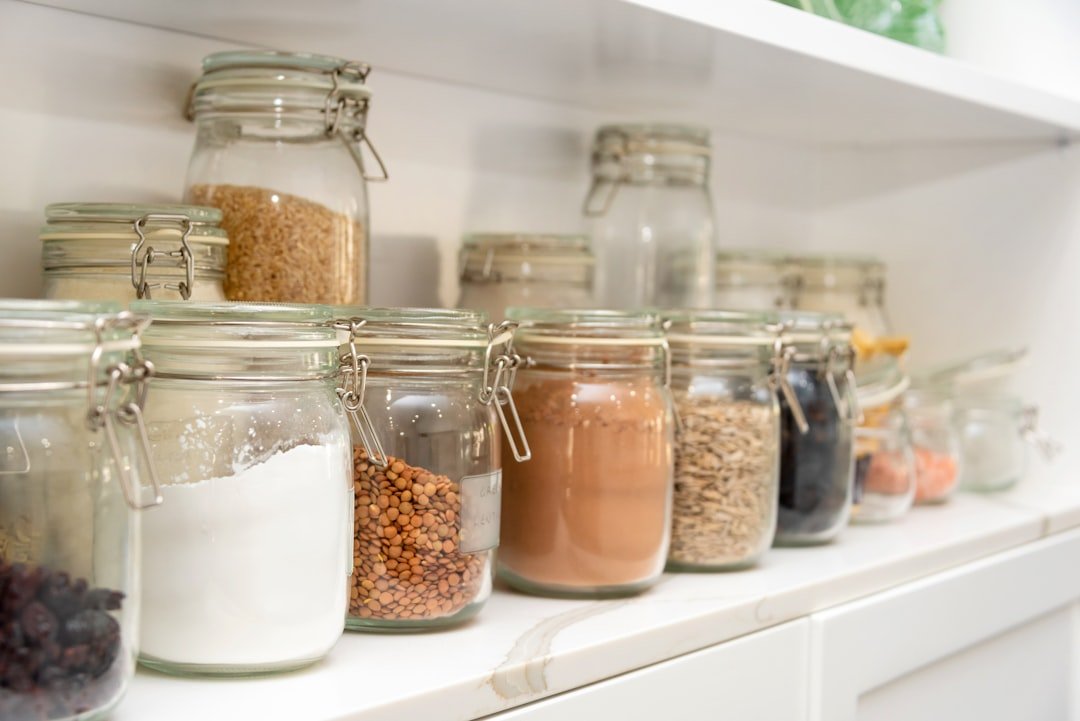
Olive oil, canned chickpeas and lentils, canned tomatoes, feta, Greek yogurt, lemons, and whatever fresh vegetables are cheapest that week. Most of this is pantry-stable and does not require a specialty grocery trip.
Every dinner above can bend around allergies, budgets, and whatever the store actually has. The swaps below are qualitative, so keep using the amounts you already use for each dish and follow the usual cooking guidance for any new ingredient.
The Sunday soup and the Wednesday stew are the natural make-ahead dishes, and cooking both in one session gives you lunches for the following days. A few standard food-safety habits keep the leftovers safe and tasting good.
If you want a fuller routine for the weekend, our guide to meal prep for beginners walks through batching a week of food in one session.
Small additions make the same seven dinners feel different from one night to the next. Warm pita or crusty whole grain bread is good for mopping up the stew and the soup. A simple side salad of tomato, cucumber, and olive oil rounds out the pasta night. A spoonful of plain yogurt melts into lentil soup, and fresh parsley, mint, or oregano lift almost everything.
For dessert, keep it Mediterranean: seasonal fruit such as oranges, grapes, or figs, perhaps with a few nuts. Leftover soup and grain salads also travel well for lunch, and our easy grain bowl recipes offer more ideas for using them. If the Greek-style nights are your favorites, our easy Greek recipes give you plenty more to rotate in.
You do not need anything unusual. A large pot handles the stew and the soup, and a sheet pan or baking dish suits the salmon and vegetables, which is a good match for our sheet pan dinners. A grill or grill pan covers the chicken and shrimp, and metal or wooden skewers keep the souvlaki tidy. Finally, a sharp knife and a set of lidded containers make both prep and storage far easier.
Not necessarily. Canned beans and seasonal vegetables are some of the cheaper items in a grocery store, and you do not need every meal to include fish.
The soup, stew, and grain-based salads all hold up well made a day or two ahead. Fish is best cooked fresh or reheated gently.
Yes. Fish is encouraged but not required. Swap the salmon and shrimp nights for legumes, eggs, or poultry, and keep the rest of the pattern: plenty of vegetables, olive oil, whole grains, and beans. Many people eat fish only once or twice a week, so the plan stays flexible.
Keep them simple and in the same spirit. Plain Greek yogurt with fruit, oats with nuts, or eggs with vegetables work for breakfast. For lunch, leftovers from the soup, stew, or grain salads are the easiest option, and they save you from cooking twice.
Before you shop for the week, it is worth checking the full Mediterranean diet food list so you know what belongs in the trolley and what to limit.
visibility60+
 visibility120+
 visibility420+