 visibility60+
See Complete Recipe
arrow_right_alt
Simple home cooking recipes are the easiest way to eat better, spend less and stop dreading the question of what is for dinner. You do not need special skills or a long shopping list. You need a handful of reliable ideas, a few basic tools and a pantry that works for you. This guide gathers all three in one place.
Cooking at home doesn’t have to be a daunting task. With a few simple recipes up your sleeve, you can whip up delicious meals that the whole family will love. From quick breakfasts to satisfying dinners, there are countless ways to create meals using everyday ingredients. Let’s dive into some inspiring ideas that make home cooking enjoyable.
The secret is not complicated technique. It is repetition. Once you cook a handful of dishes a few times, you stop reading the recipe line by line and start cooking by feel. Pick two or three ideas from this page, make them this week, and notice how much faster the second attempt feels.
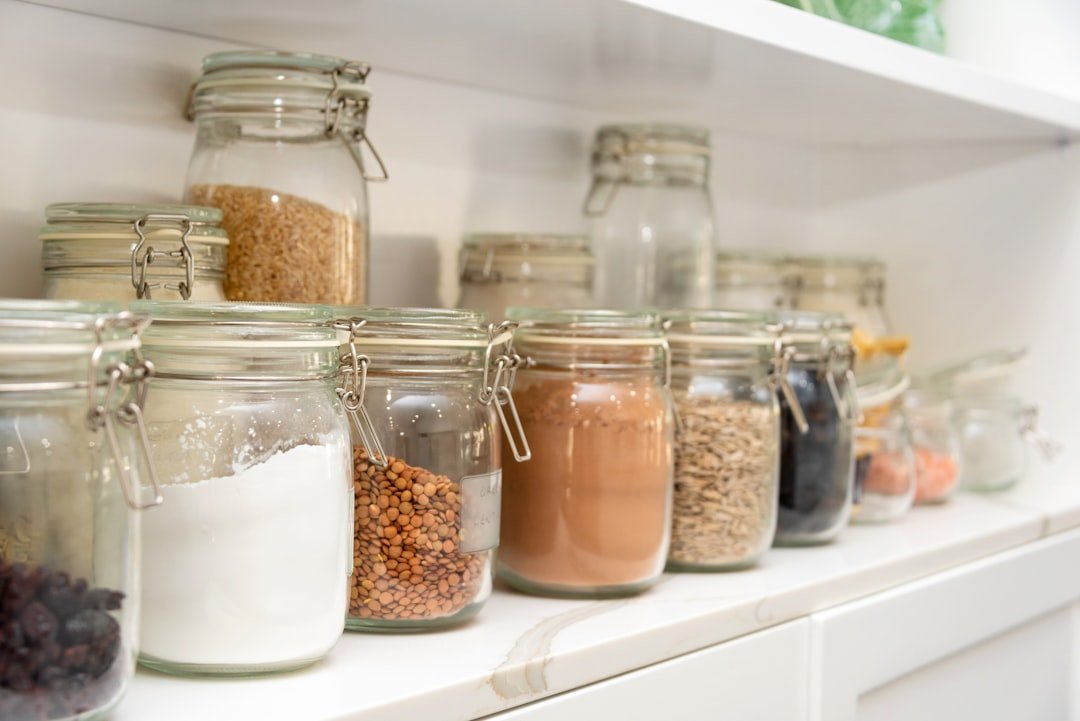
Most weeknight meals come together from the same small group of staples. Keeping these on hand means a decent dinner is never more than a short shop away:
You do not have to buy everything at once. Add one or two items each shop and your pantry builds itself without a big upfront spend.
Breakfast is the most important meal of the day, yet it can often feel rushed. Simple recipes like overnight oats or scrambled eggs with herbs can add nutrition and flavor without taking much time. These dishes not only fuel your morning but are also a great way to start the day on the right foot.
Overnight oats are ideal if mornings are chaotic, because the work happens the night before. Our guide to overnight oats recipes has plenty of flavour ideas. If you want something more filling, healthy breakfast ideas that keep you full until lunch shows how to build a morning meal around protein and fibre.
For scrambled eggs, the main tip is gentle heat. Cook them slowly, stir often and take the pan off the heat while they still look slightly glossy. They finish cooking in the residual warmth and stay soft instead of turning dry.
Dinner is a time when families come together, making it a special occasion. Easy recipes such as stir-fries, sheet pan meals, or slow cooker casseroles can help you prepare wholesome dinners without any fuss. These recipes cater to varying skill levels and require minimal prep, ensuring that you can serve a hearty, comforting meal during busy weekdays.
Each style suits a different kind of evening. Stir-fries reward a little prep and then cook very quickly. Sheet pan meals put everything on one tray and make cleanup almost painless, which is why our sheet pan dinners are such a popular starting point. Slow cooker casseroles ask for effort in the morning and pay you back at six o’clock.
If you are short on time and energy, browse our quick dinner ideas for busy weeknights or the one pot meals that save your weeknights for dishes that keep the washing up to a minimum.
After a satisfying meal, it’s nice to have a sweet treat. Simple desserts like fruit parfaits or chocolate mug cakes can elevate your dinner experience without the hassle. They are easy to prepare and can bring a smile to anyone’s face, making them perfect for any occasion.
Short ingredient lists keep desserts approachable. If you want more ideas that need very little equipment, our easy desserts with five ingredients or less collection is a good next stop. Fruit-based options are especially forgiving, because ripe fruit supplies most of the flavour for you.
A well-stocked kitchen does not mean an expensive one. A few dependable tools handle nearly every simple recipe:
Add a slow cooker later if you like the idea of dinner cooking itself while you are out. It is helpful but never essential.
Running out of one ingredient should never cancel dinner. In most simple recipes these swaps work well, though the flavour and texture may shift a little:
When you swap, change one thing at a time so you can tell what worked. Keep a note on your phone of the combinations your household liked.
Cooking once and eating twice is the quiet superpower of home cooks. A few conservative habits keep leftovers both tasty and safe:
Label containers with the date so nothing gets forgotten at the back of the fridge. Freezing extra portions of soups and casseroles is another way to save your future self on a busy night.
Every experienced cook has made all of these. Treat each one as a lesson rather than a failure.
Scrambled eggs, pasta with a simple sauce, sheet pan roasted vegetables and chicken, and stir-fries are all friendly starting points. They use everyday ingredients, need little equipment and teach core skills like heat control, seasoning and timing that carry over to more advanced recipes.
Prepare ahead whenever you can. Chop vegetables on the weekend, cook a batch of rice or grains, and choose one-pan or sheet pan recipes that reduce washing up. Keeping a stocked pantry also means you can assemble a meal without an extra trip to the shop.
Usually, yes. Cooking at home lets you control portions and ingredients, and one shop can cover several meals. Savings grow when you plan a menu, use leftovers on purpose and buy staples like rice, beans and seasonal vegetables rather than relying on convenience food.
Start by following a recipe closely a few times, then change one element at a time, such as a spice, a vegetable or a protein. Over time you will learn which flavours work together and begin to cook by taste and instinct instead of measuring everything.
In conclusion, embracing home cooking with simple recipes can lead to delightful meals and lasting memories. Whether you’re an aspiring chef or a novice cook, these recipes are designed to inspire everyone to enjoy cooking at home.
visibility60+
 visibility120+
 visibility420+